-
INTRO:
Nell’ambito delle attività seminariali del Corso di Laurea in Design Industriale dell’ Università della Repubblica di San Marino, si è organizzato un progetto congiunto fra il laboratorio di modellistica ed il laboratorio di ceramica, con l’obiettivo di integrarne le attività.
L’intenzione è stata quella di organizzare un iter didattico i cui risultati testimoniassero il suo sviluppo attraverso due discipline pratiche, le quali solo collaborando, possono dare ad uno studente, il senso generale dei processi che portano all’esistenza di un oggetto in ceramica.
Un semplice tema progettuale ha fatto da guida agli aspetti più laboratoriali:
oggetti d’uso realizzati con il metodo dello slip casting o colaggio.
Tecnica scelta perché si svincola dallo stereotipo dell’argilla come materia da manipolare, essendo in questo caso liquida, e per introdurre un concetto imprescindibile nell’industrial design: la seralità.LAB M:
Ragionando sugli oggetti d’uso si è voluto assegnare alle molteplici funzioni proposte dagli studenti, le forme principali della geometria solida (cubo, piramide, parallelepipedo, cilindro, cono, prisma) lavorando su di esse con tagli, raccordi, smussi, fori ed altre operazioni che avrebbero portato ad una definizione parziale dell’oggetto, pensando di aggiungere poi, nel laboratorio di ceramica, quel tanto di progettualità in più per definirlo completamente.
Solo quando si fa esperienza diretta di un materiale, quando lo si ha “per le mani”, si possono avere le ragioni sufficienti per trasformarlo: questa prima regola ci è sembrata la più urgente da trasmettere durante gli workshops.
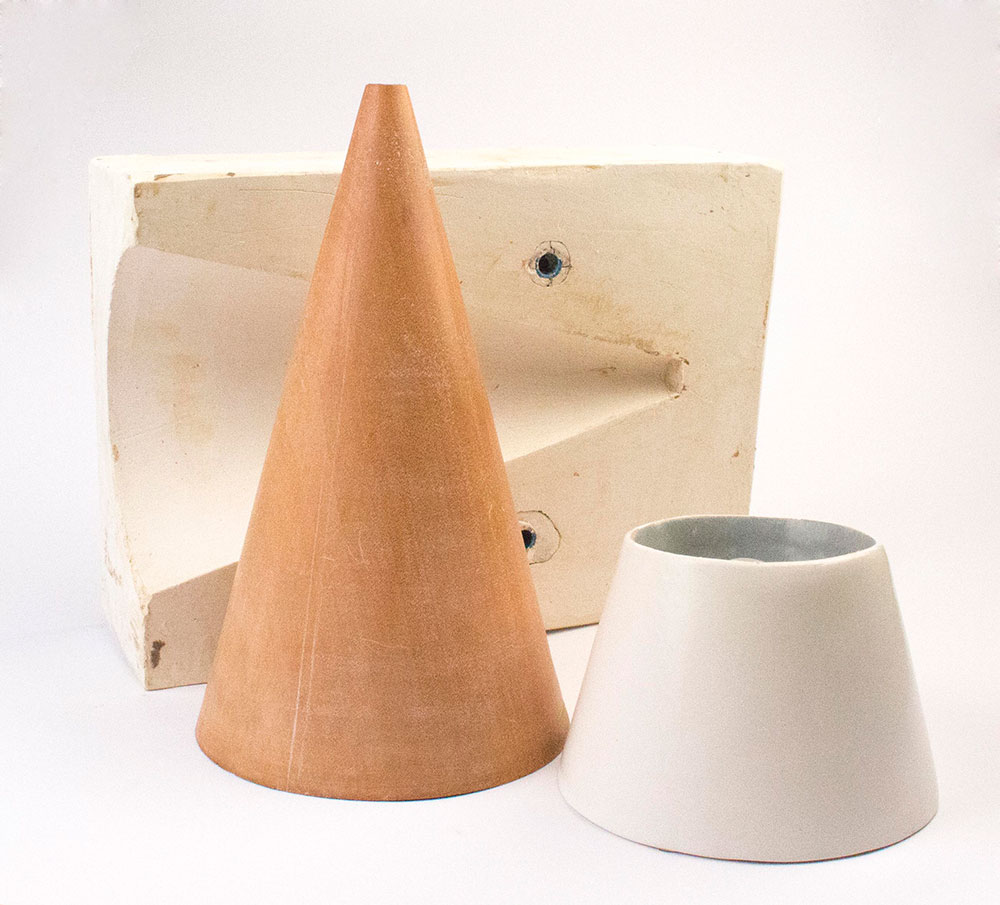
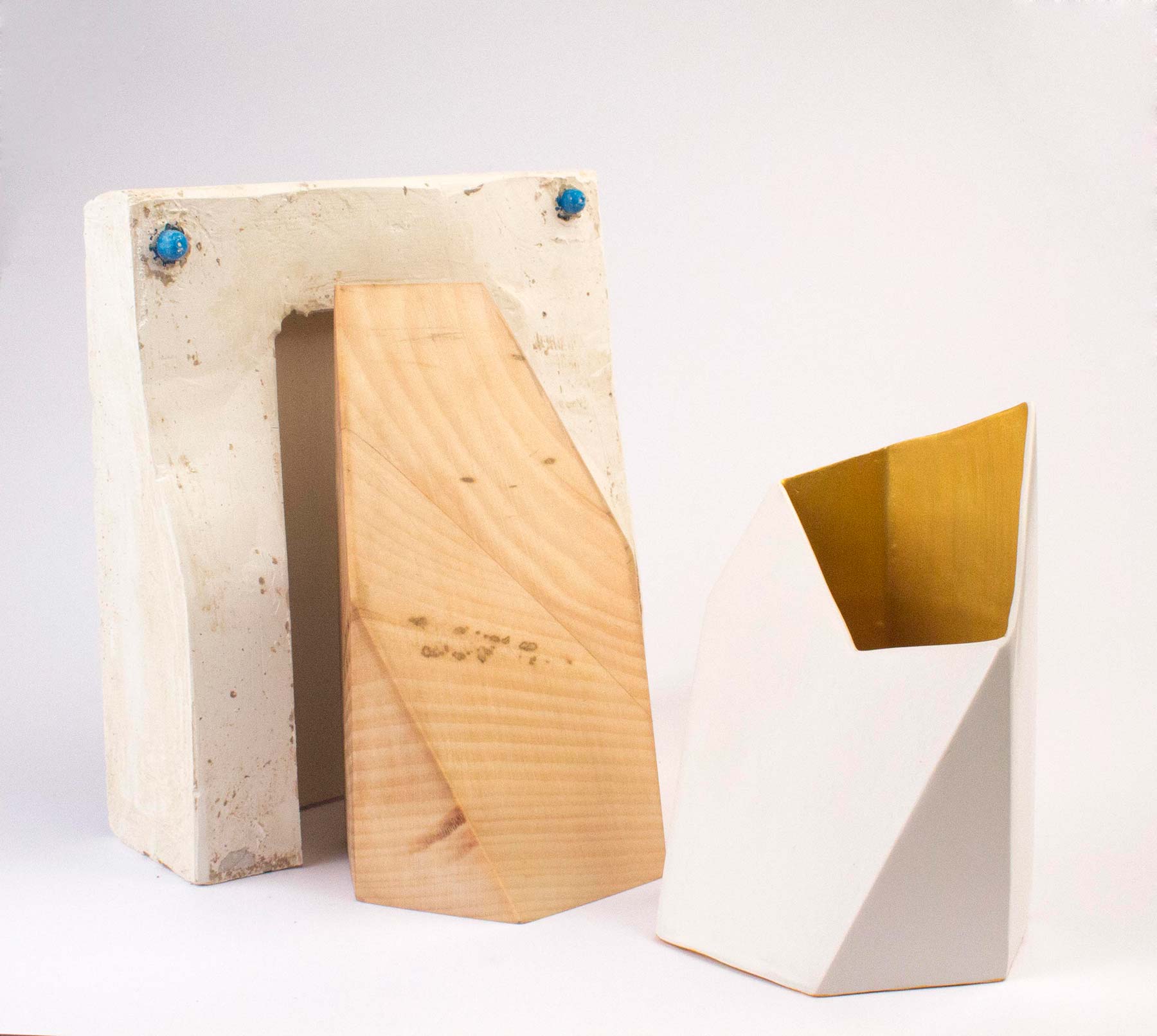
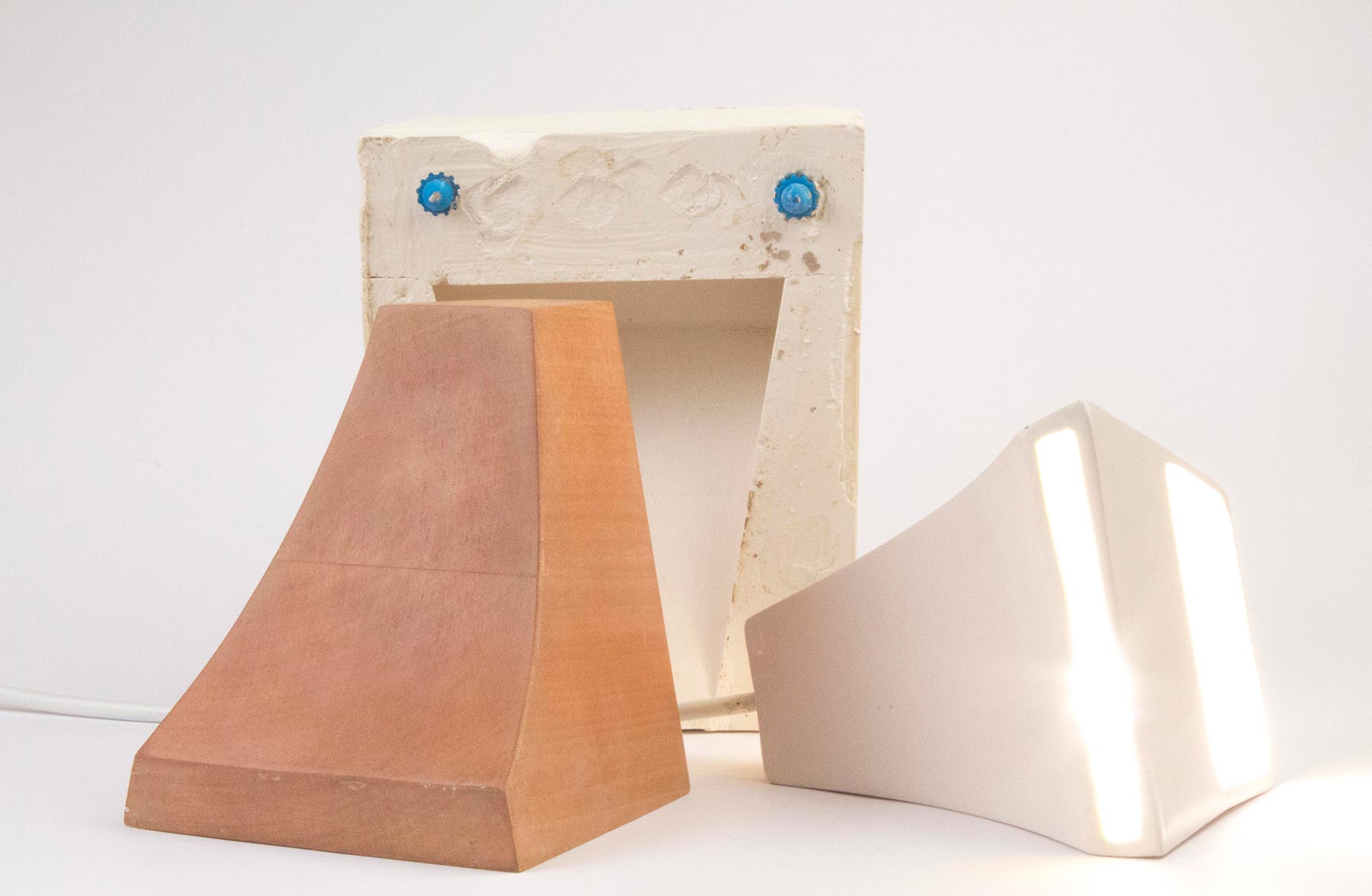
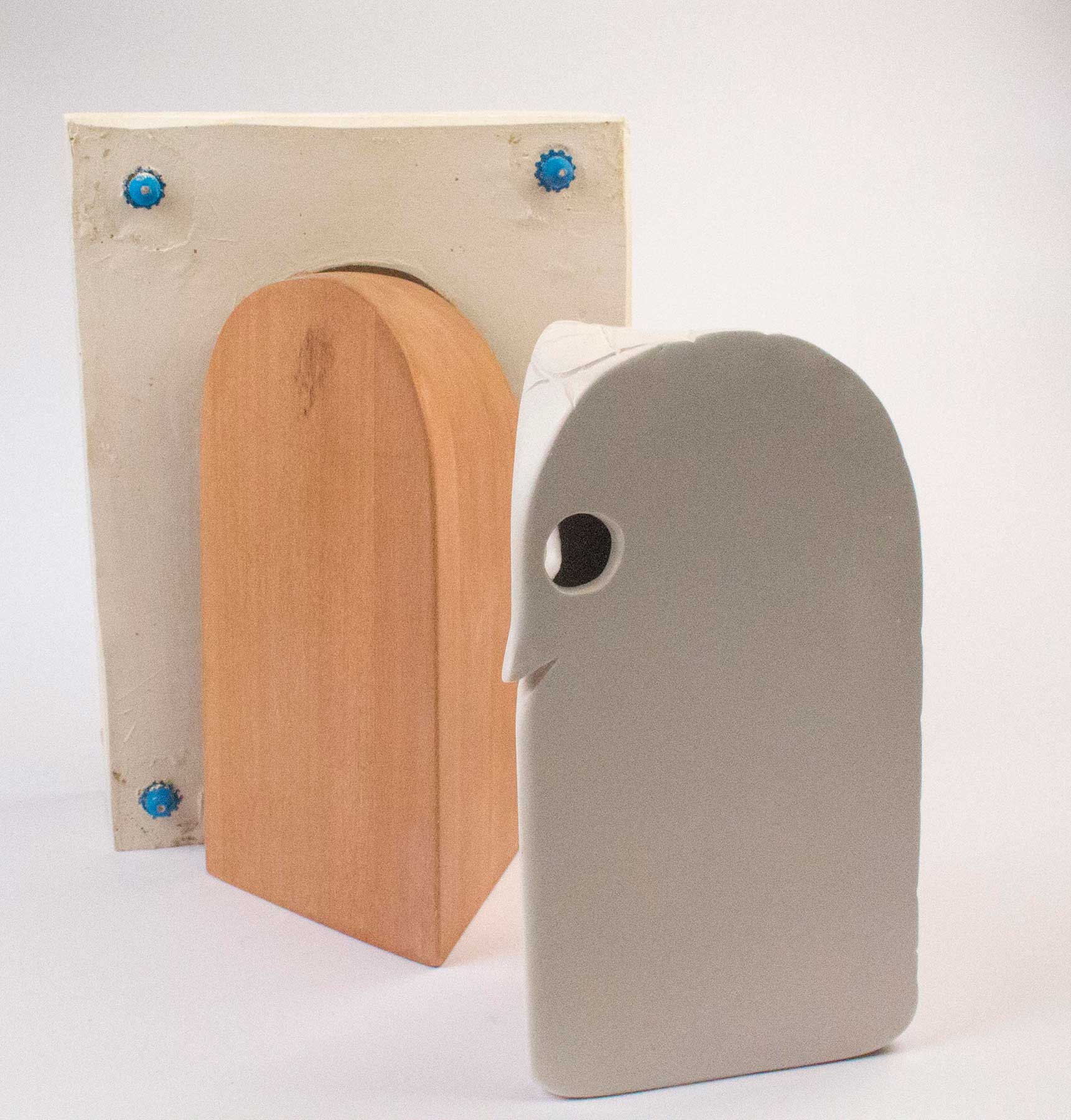
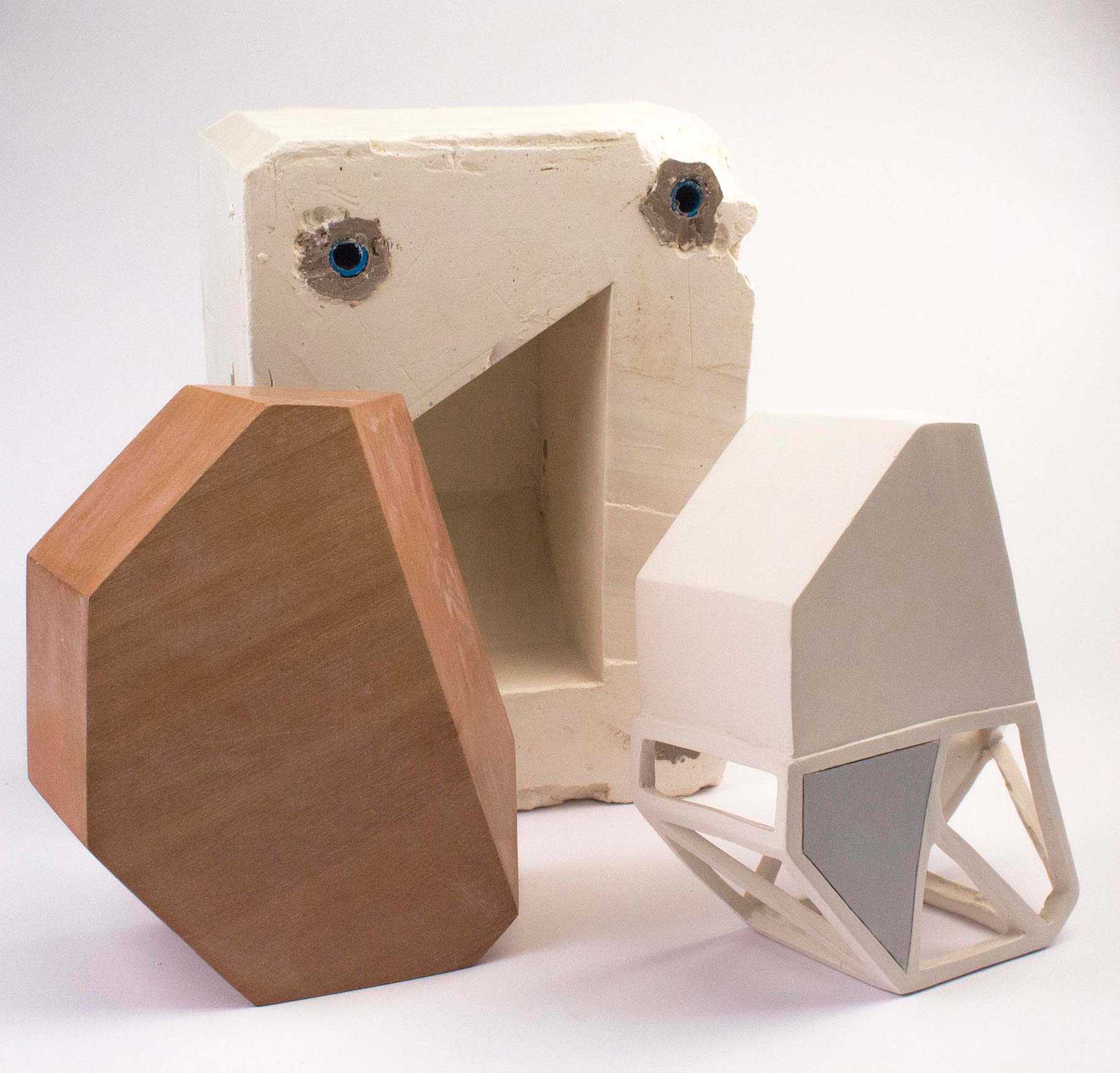
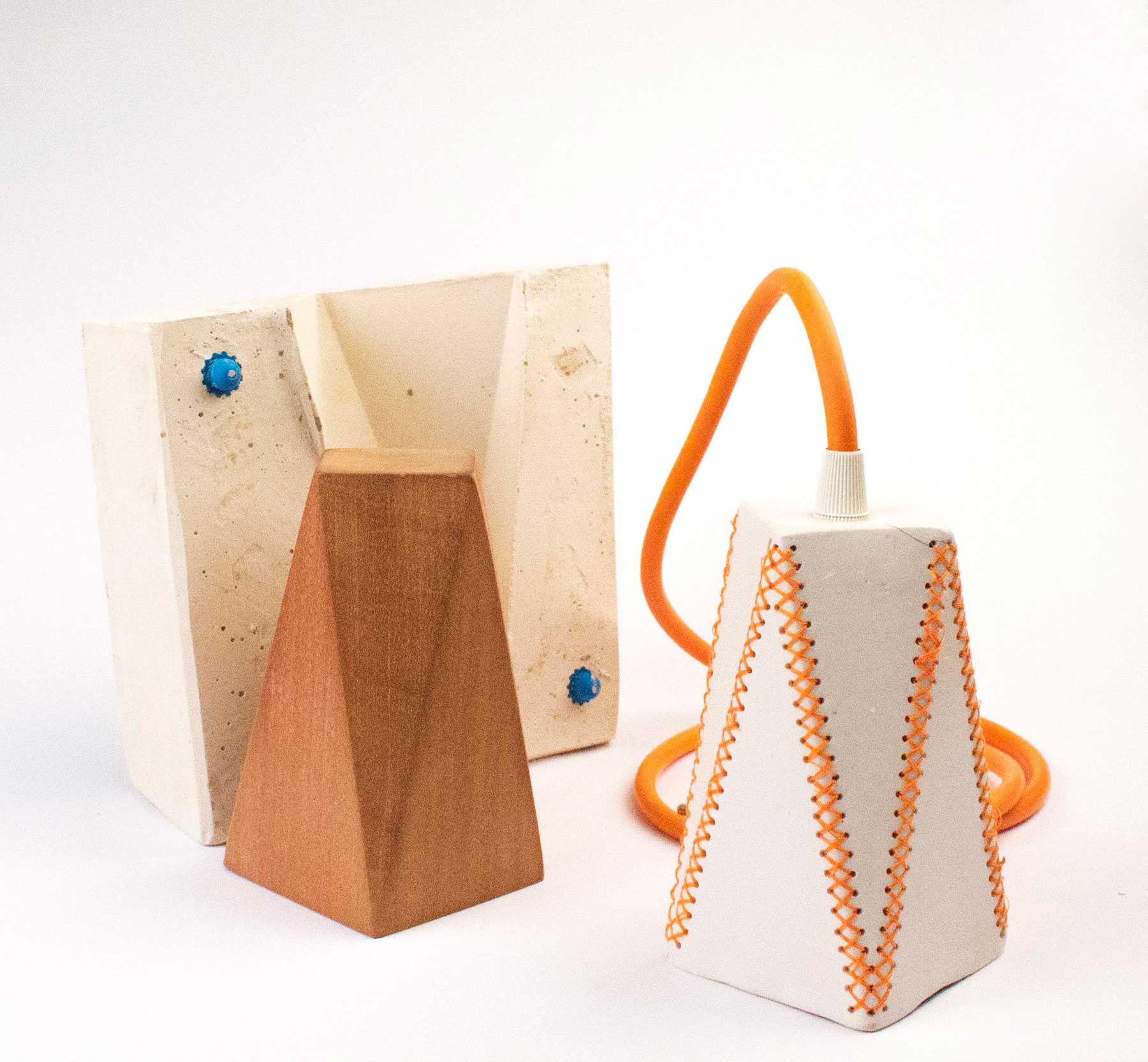
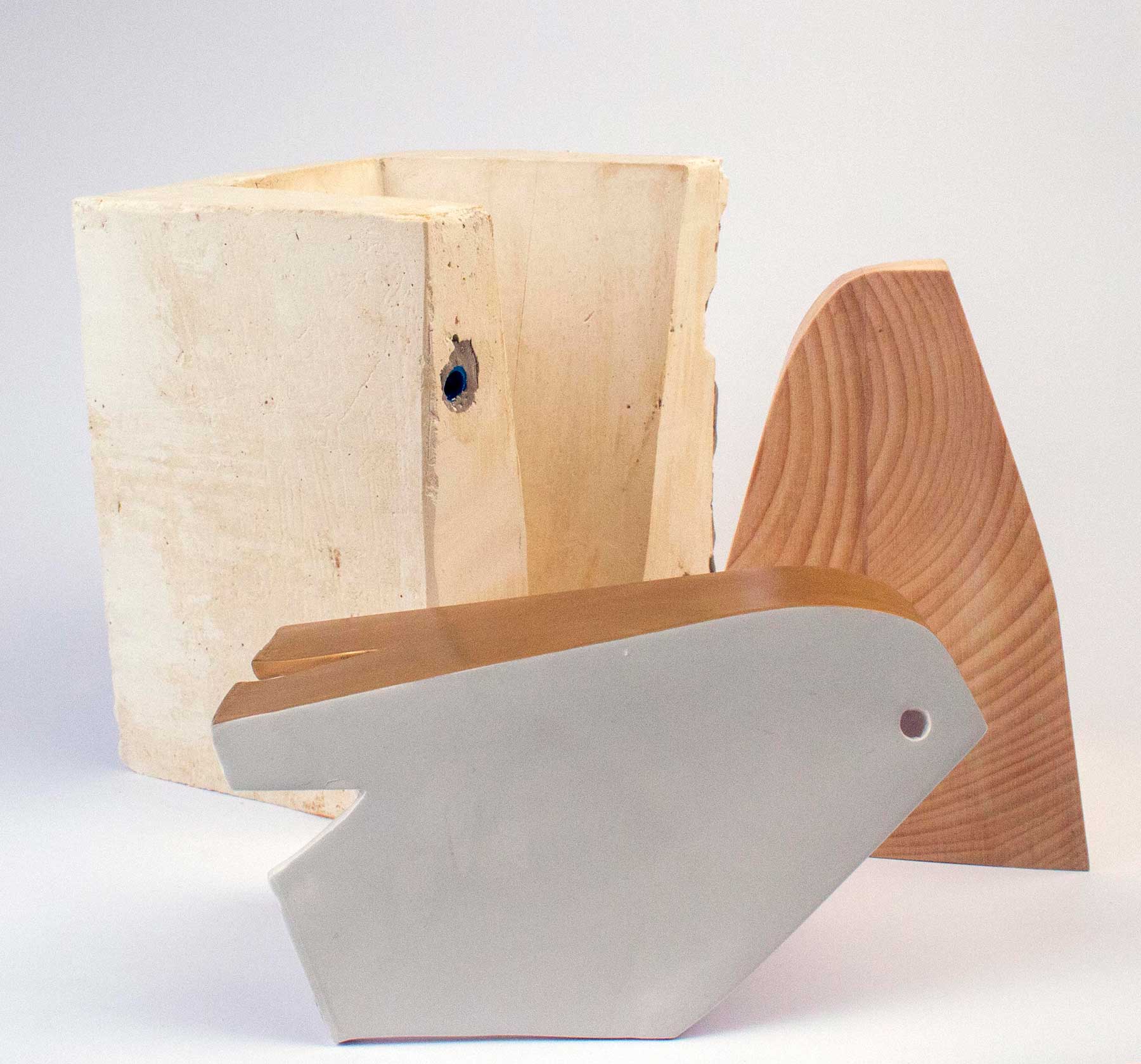
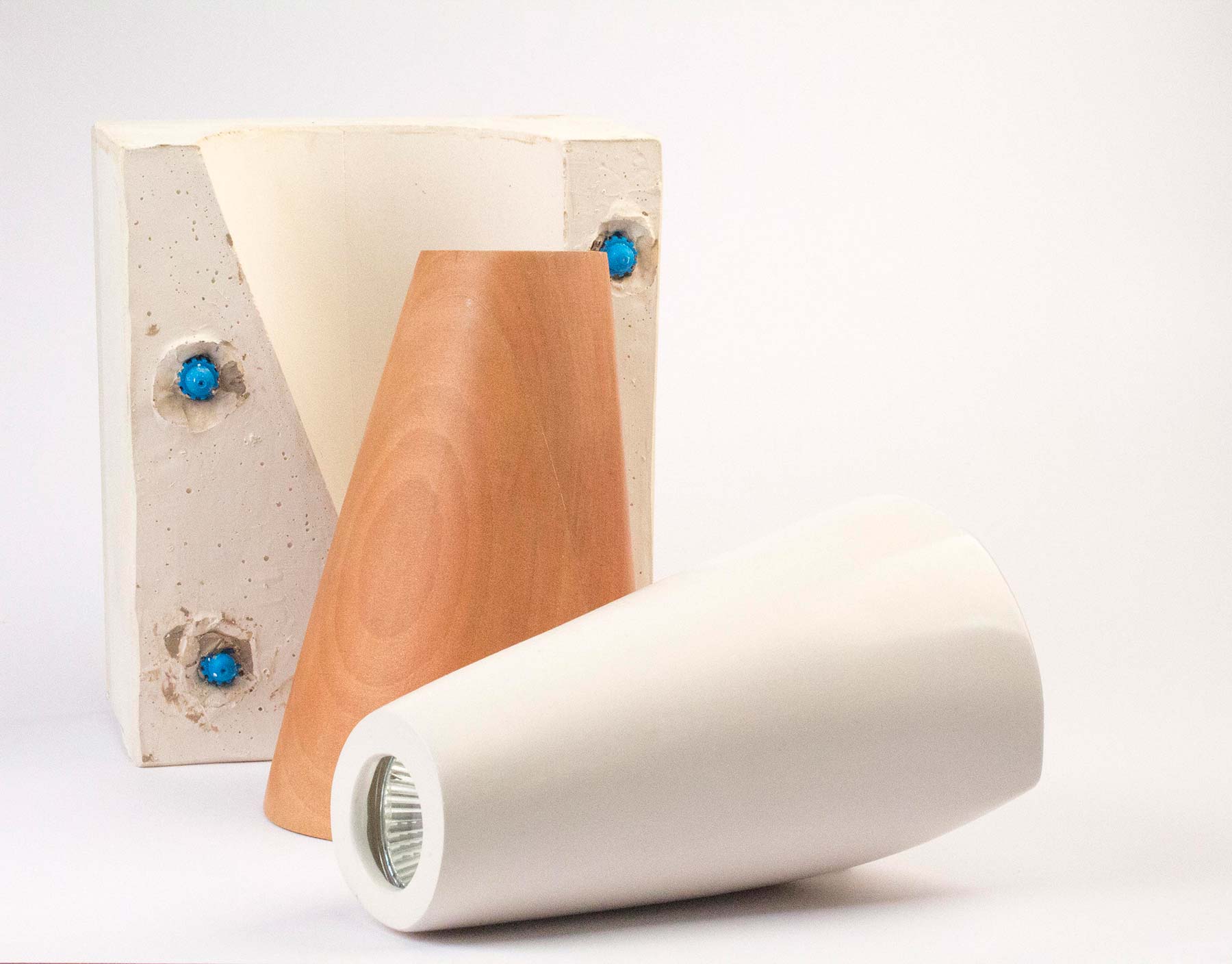
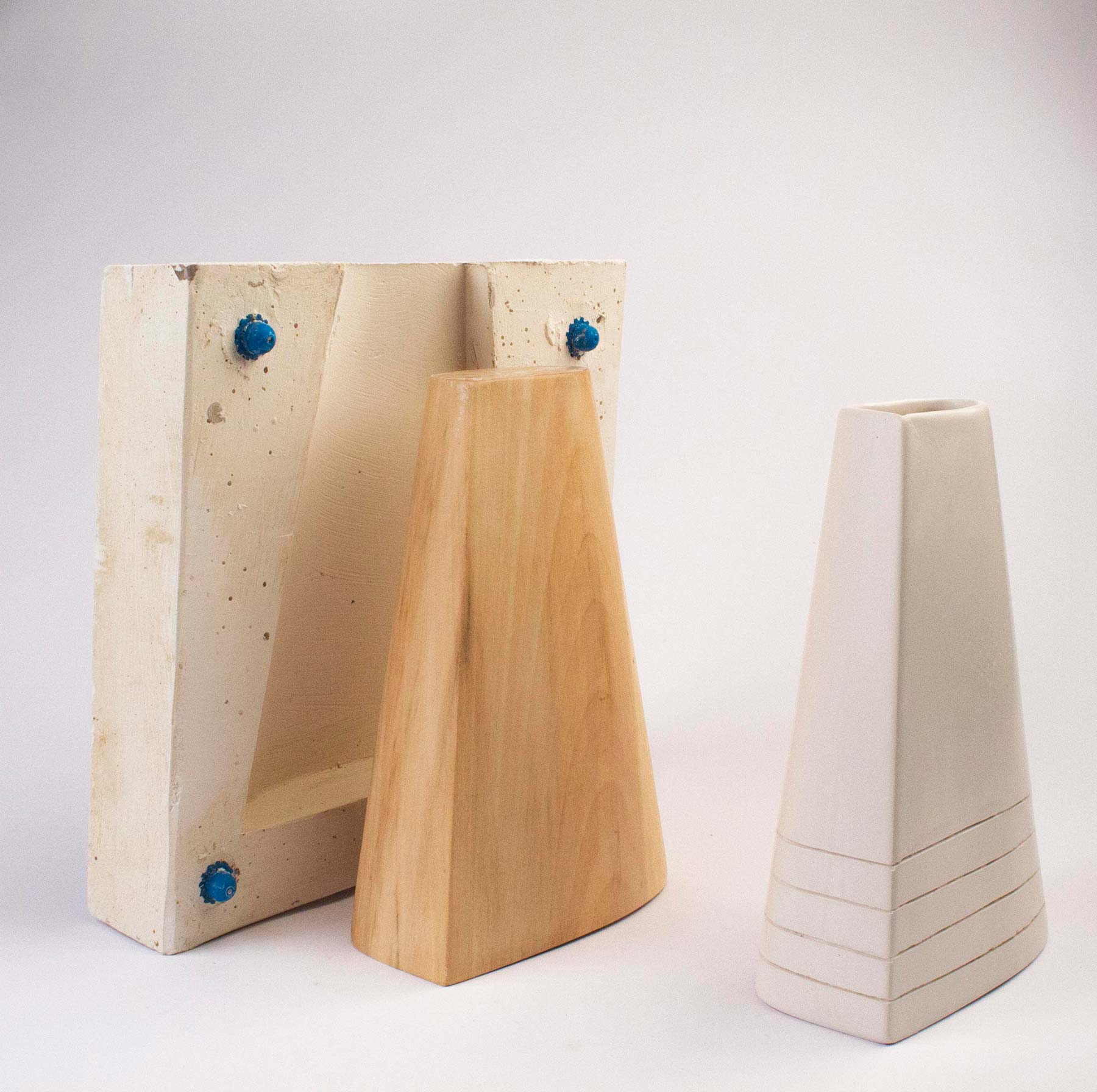
Nel laboratorio di modellistica gli studenti hanno realizzato, in legno di tiglio e noce, quelle geometrie che alludevano a funzioni specifiche, costituendo sia un alfabeto formale che funzionale alle necessità dello stampaggio in gesso.
Gli oggetti, e il piccolo racconto progettuale che ognuno si portava dietro, sono passati infine al laboratorio di ceramica.LAB C:
A partire da tali solidi complessi, derivati dall’alterazione di forme geometriche pure, l’esercizio proposto agli studenti è stato quello di tradurre in funzione le forme da loro realizzate.
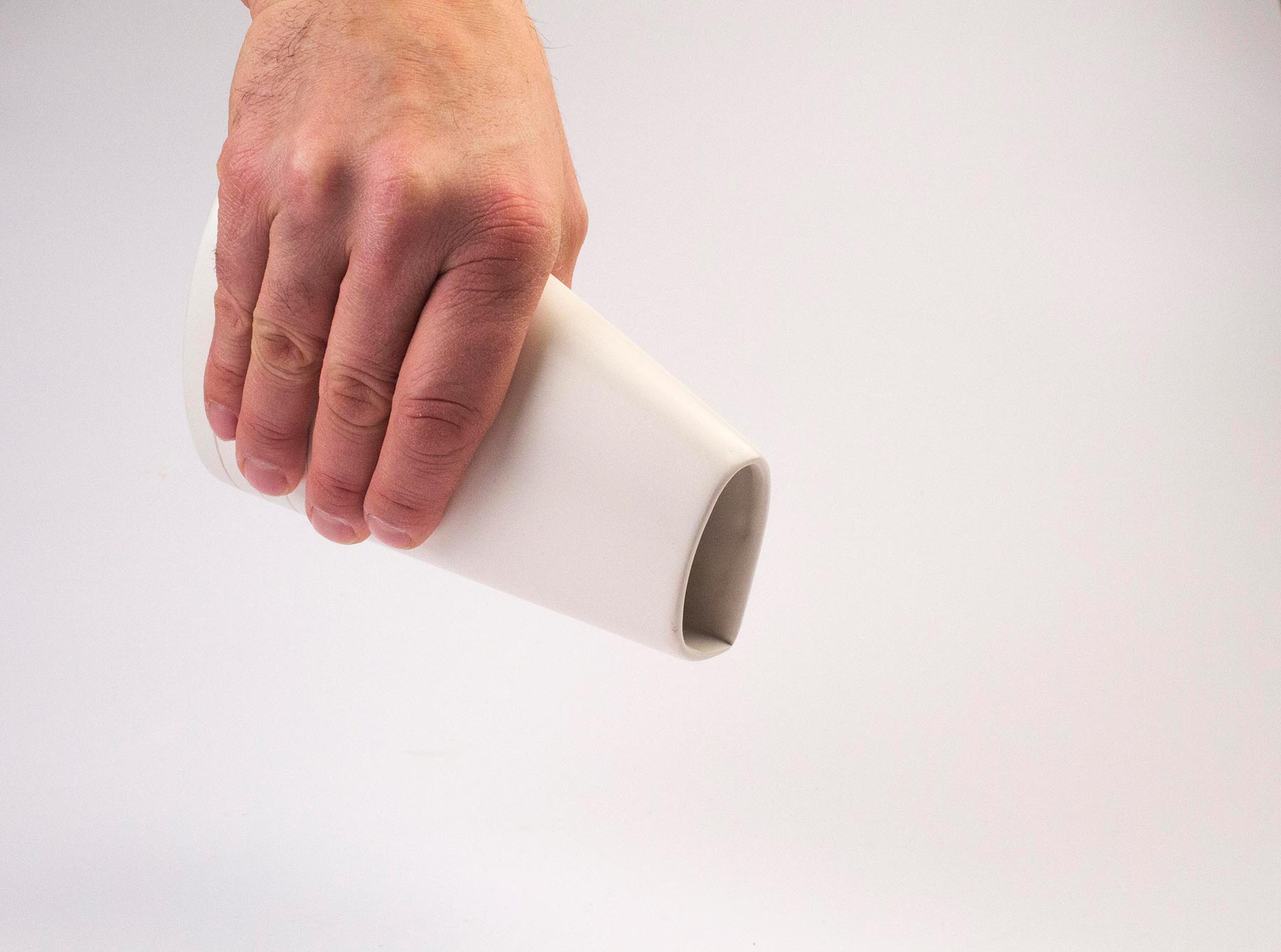
Si è quindi lavorato in maniera sperimentale, immaginando il significato più congeniale da attribuire ad un oggetto esistente, piuttosto che operare il canonico processo di progettare una forma che rispondesse ad una funzione.
Alcune dei solidi contenevano già in sé una suggestione abbastanza forte da rendere naturale il processo di attribuzione di una funzione specifica, mentre per altri meno connotati la sperimentazione è stata totale.
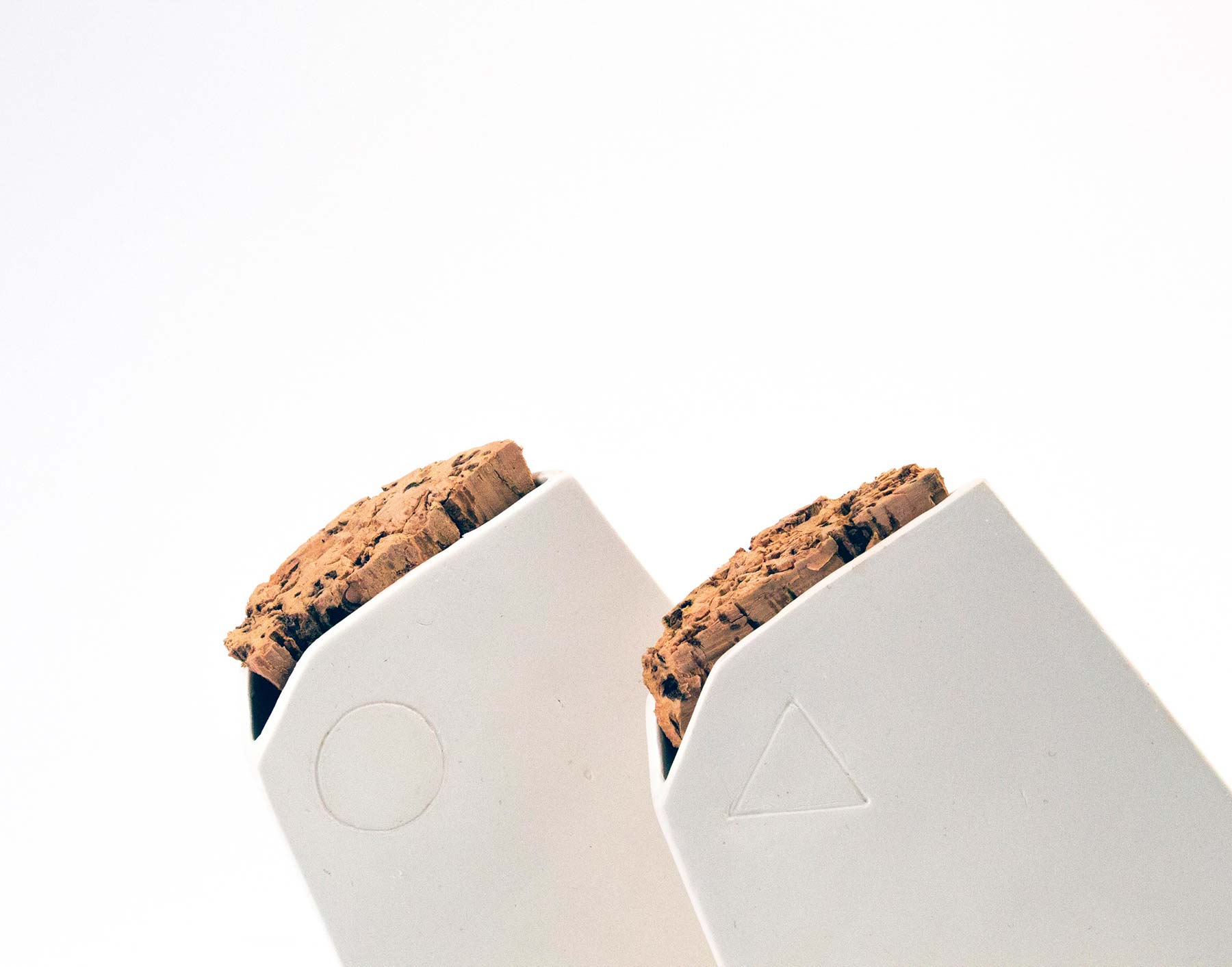
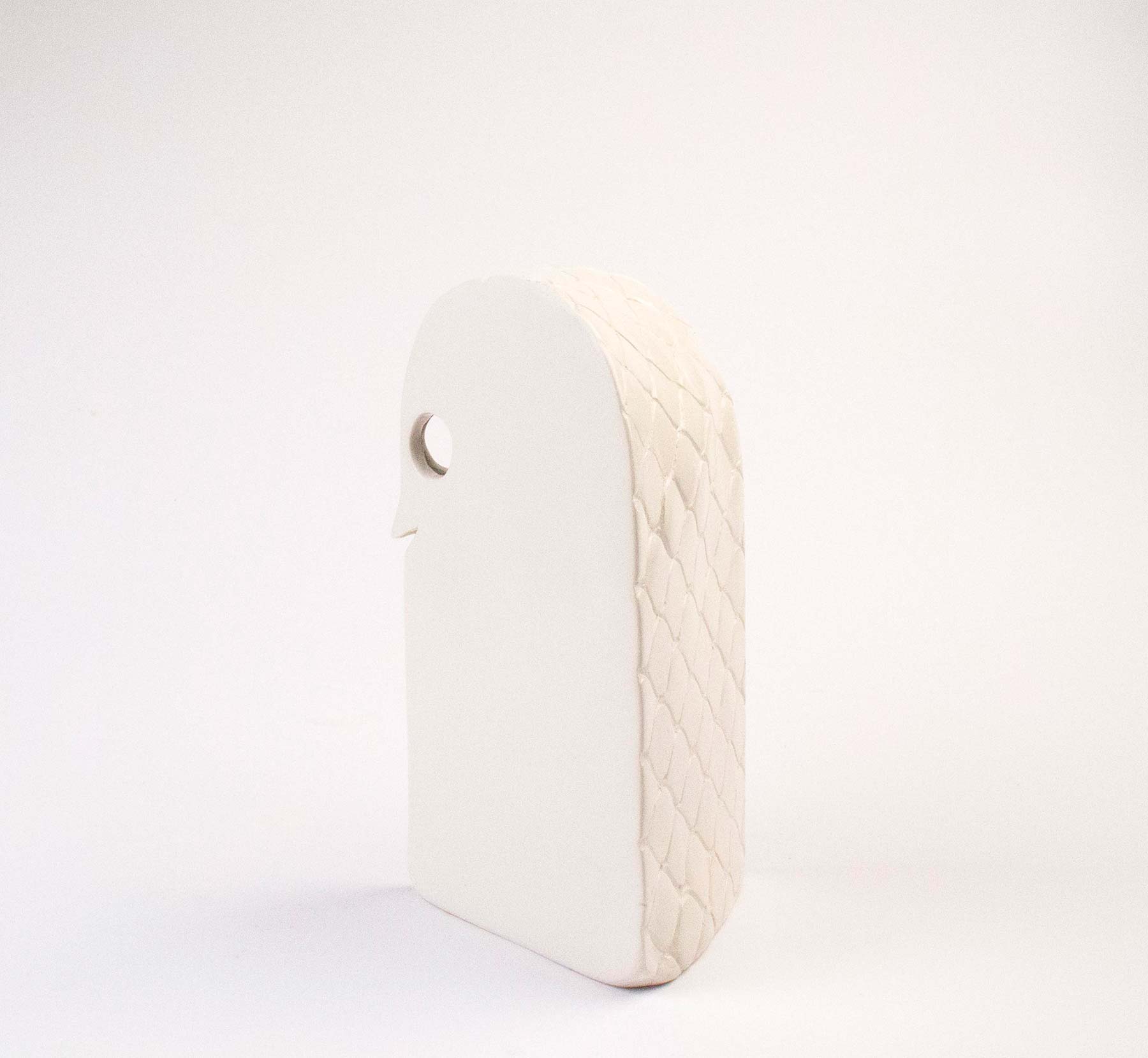
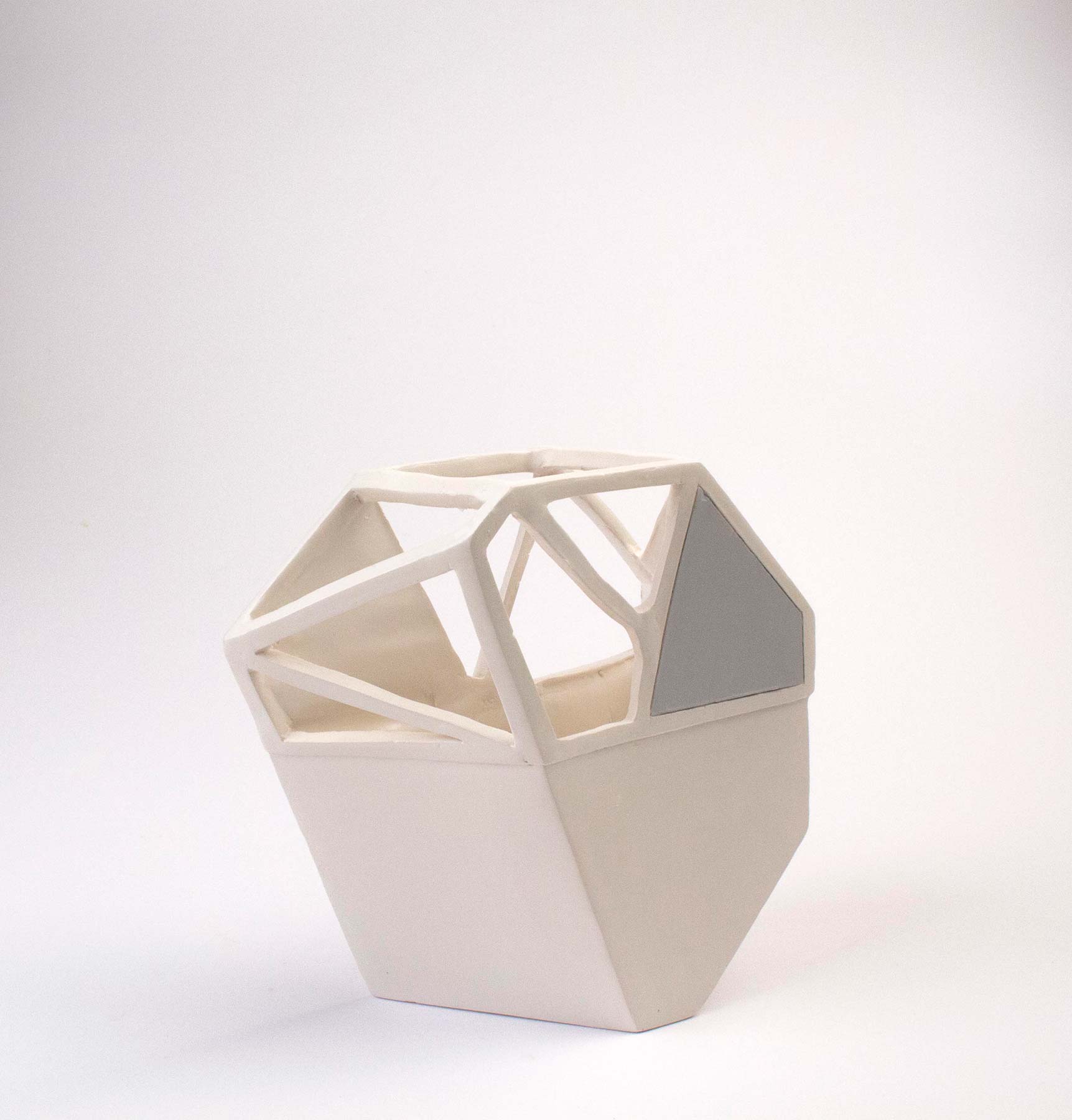
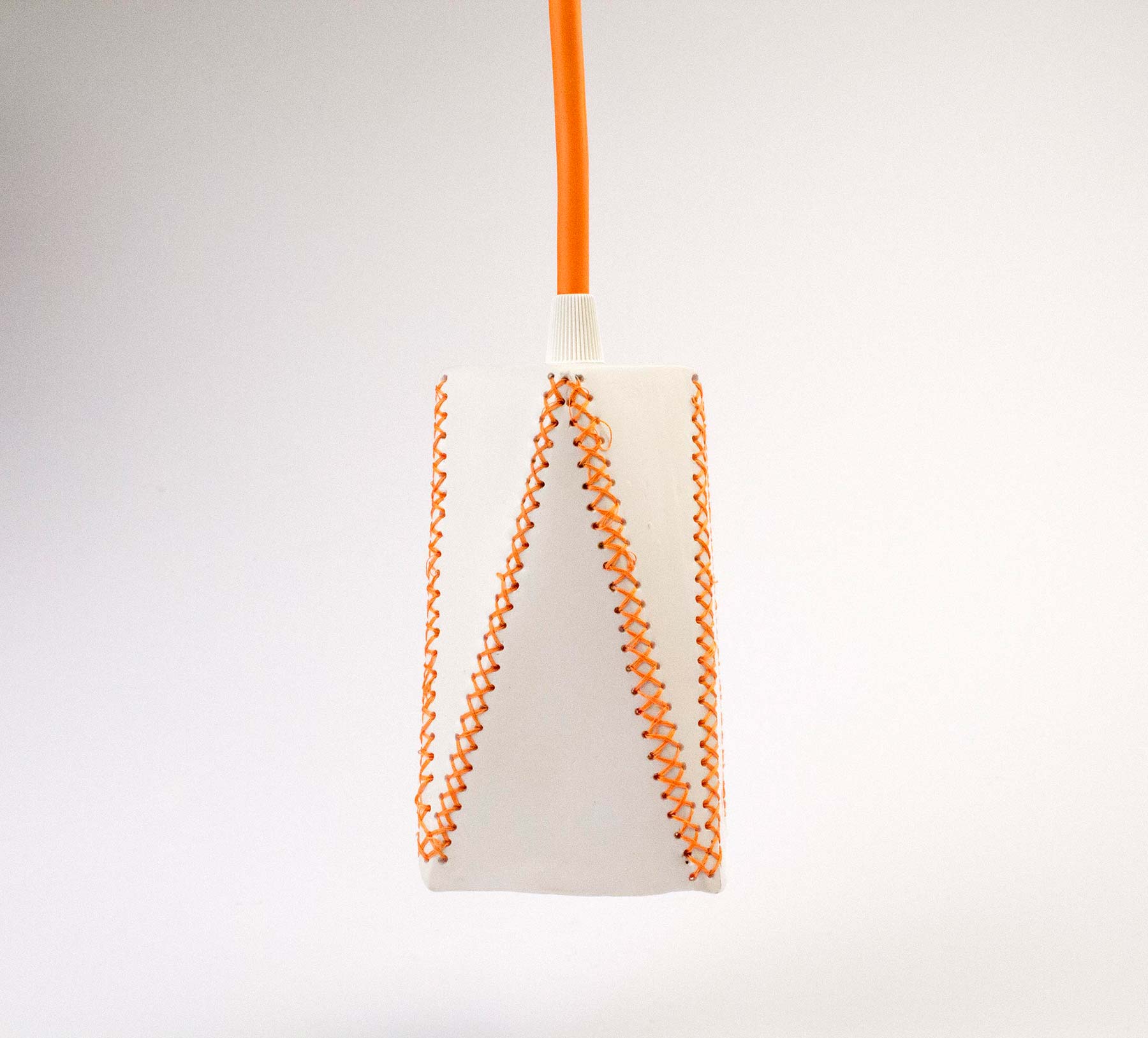
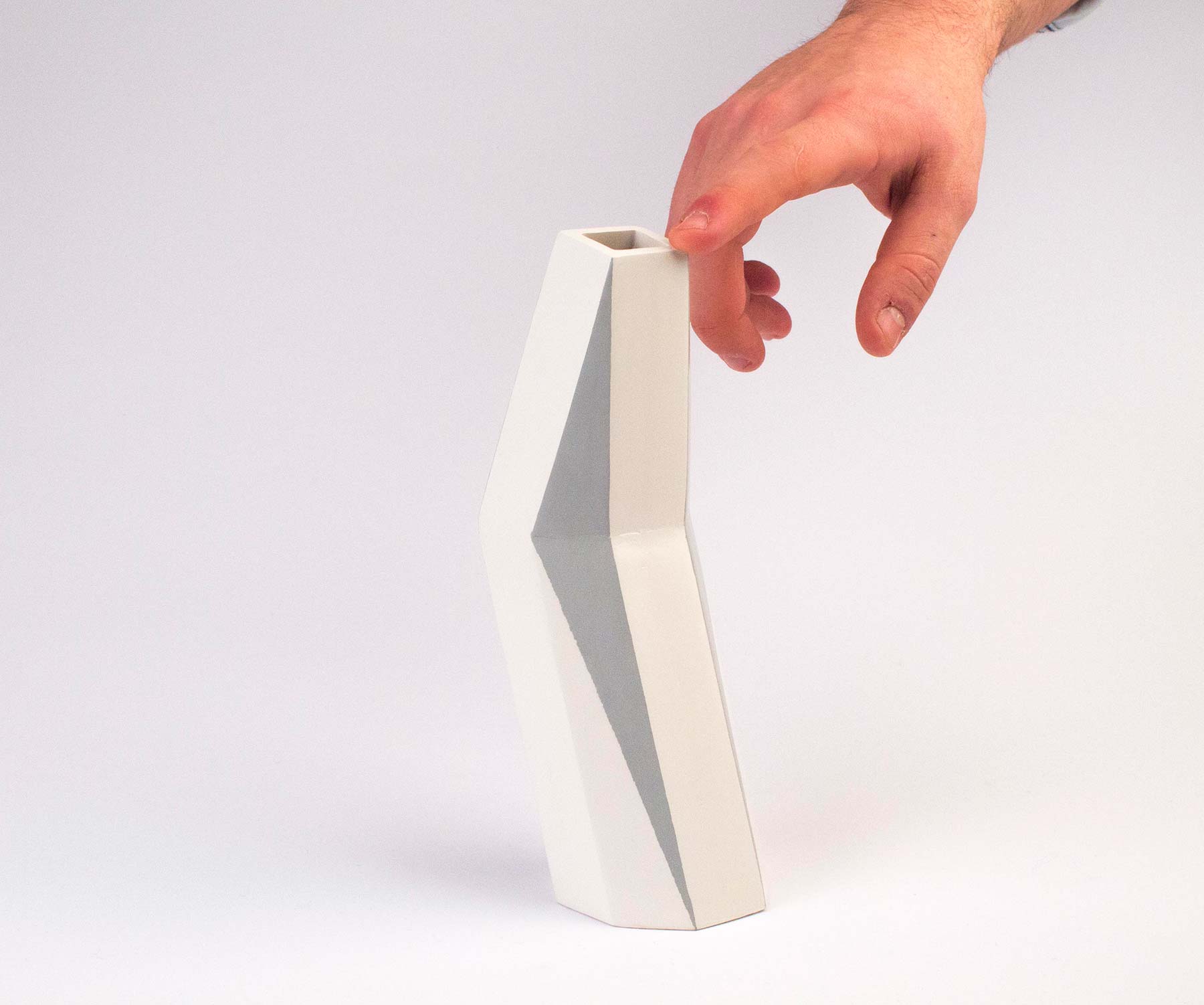
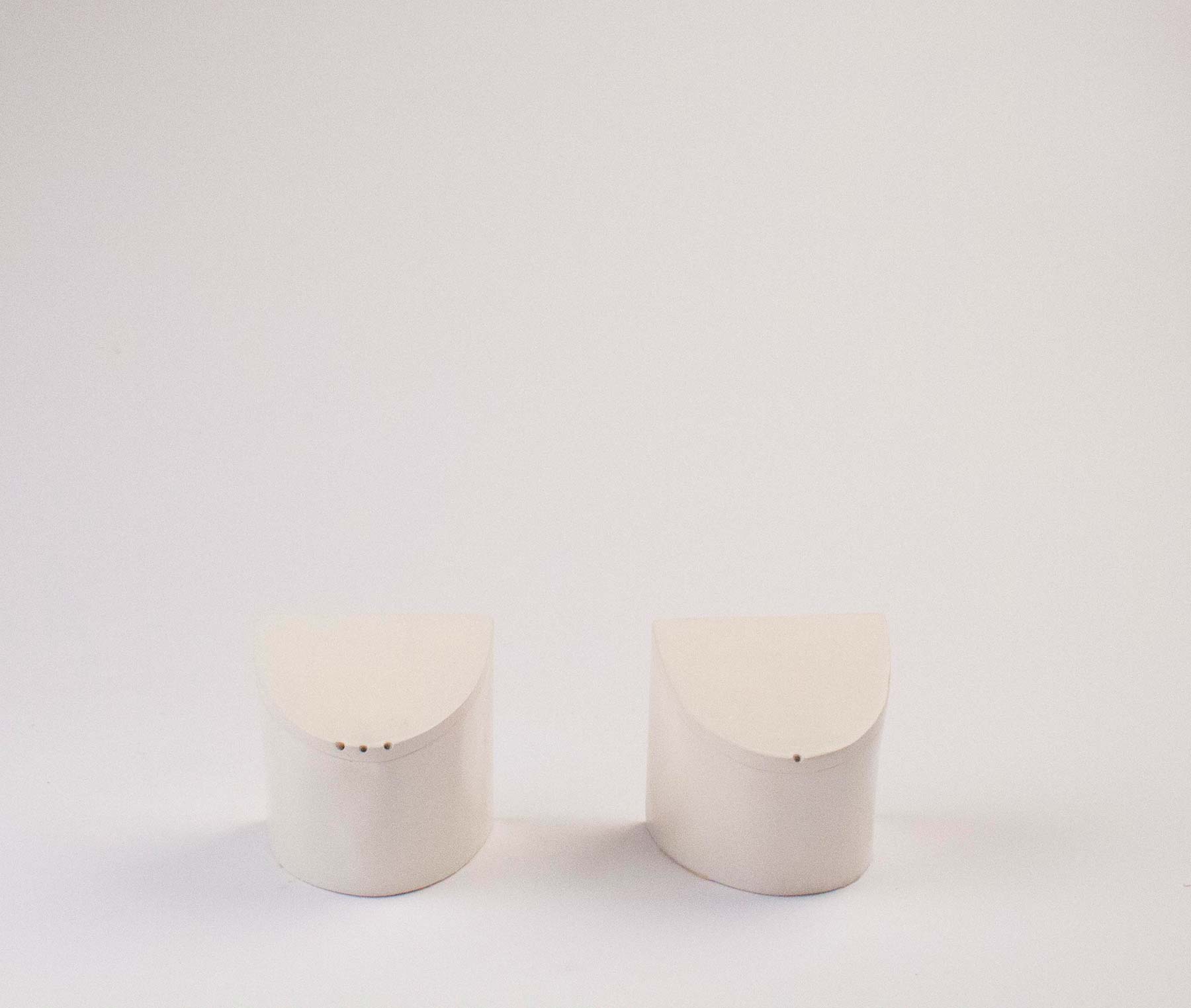
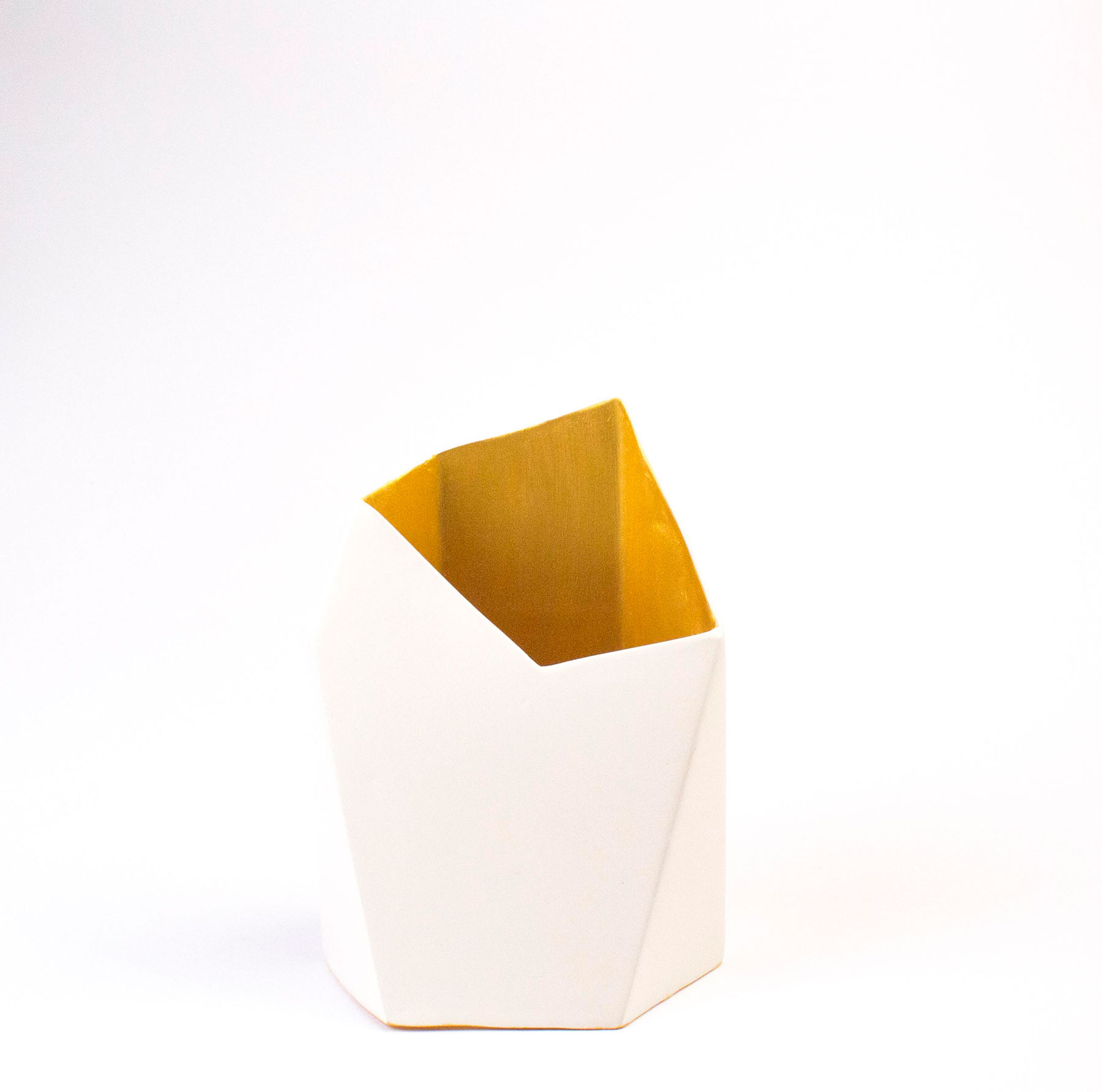
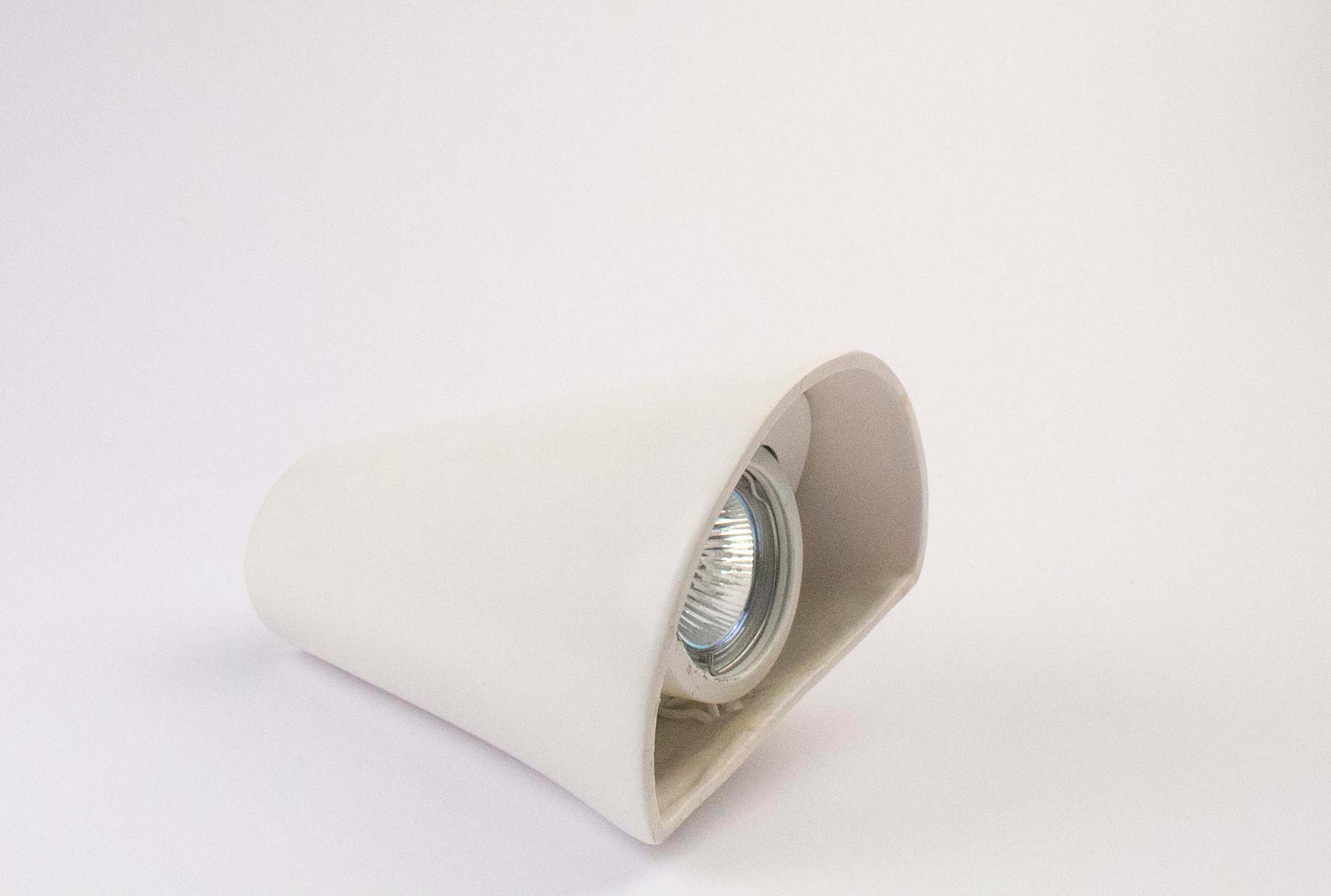
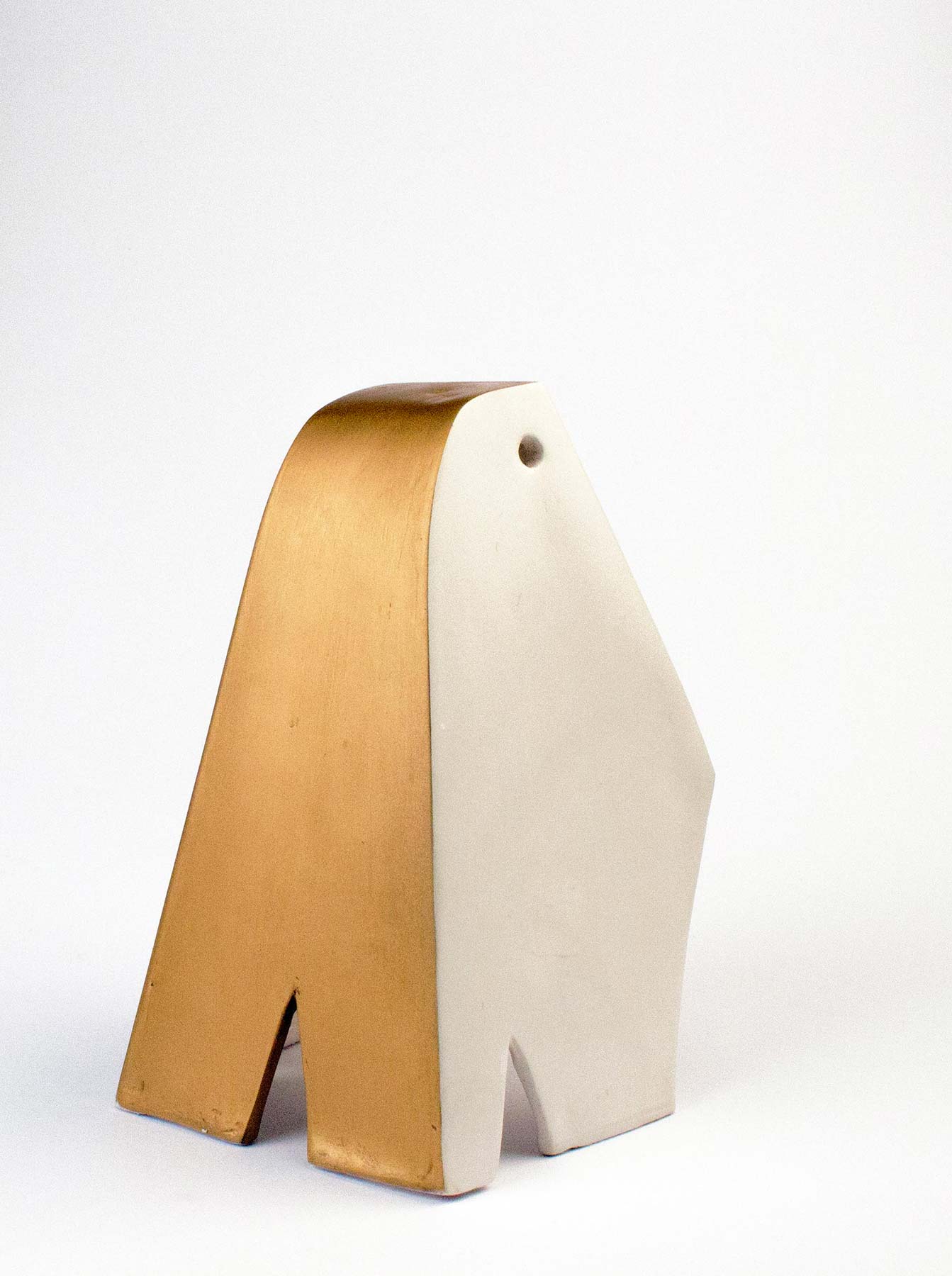
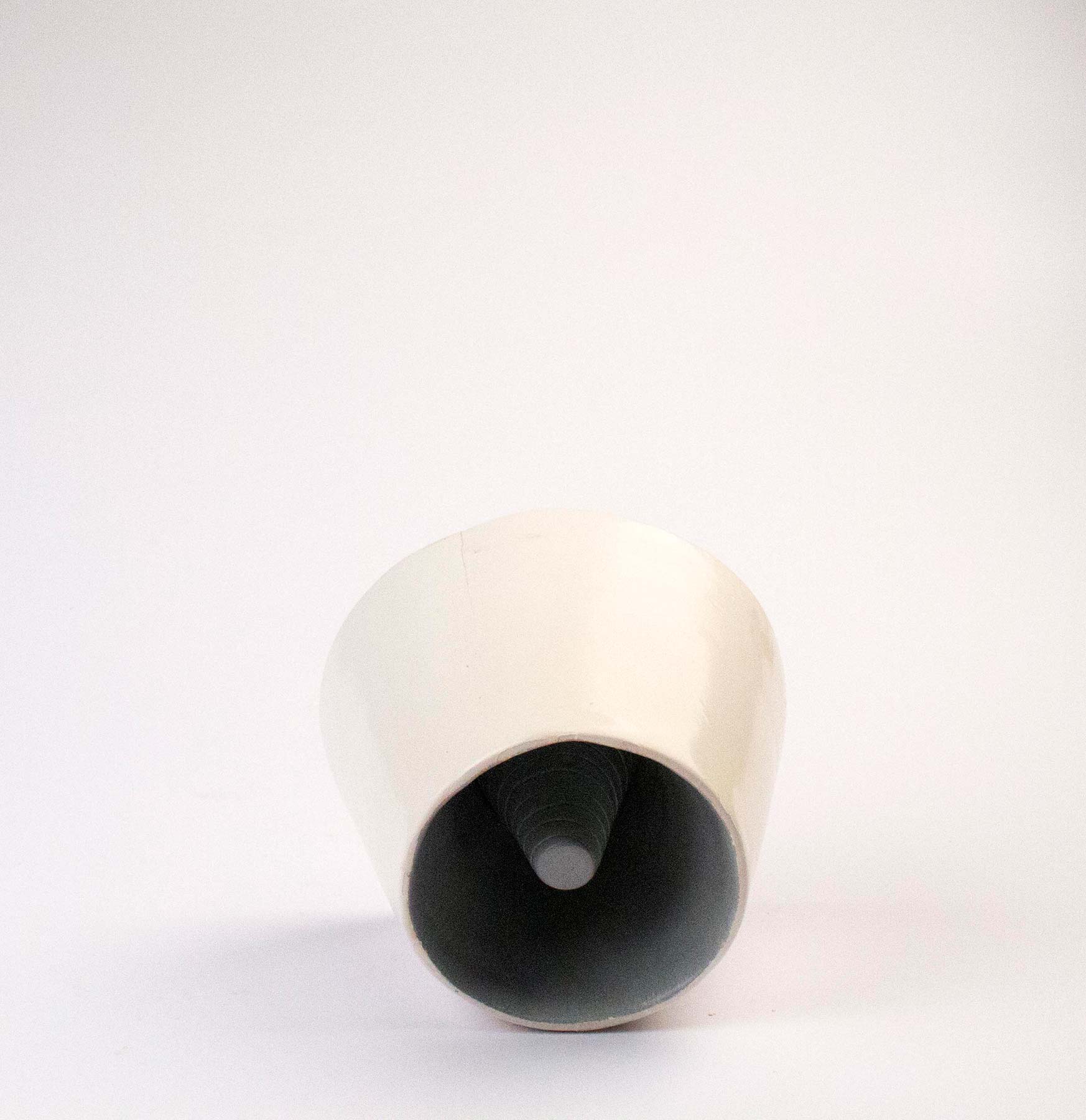
Gli studenti hanno poi acquisito una competenza “sul campo” nella tecnica dello slip casting o colaggio, affrontando personalmente tutte le fasi della produzione dell’oggetto finito. Ne sono risultati dei prototipi che hanno tutte le caratteristiche per diventare degli oggetti seriali.Il valore didattico di questa esperienza consiste massimamente nell’aver dato agli studenti la possibilità di gestire personalmente tutto il processo creativo di un prodotto, a partire dalla sua ideazione, fino a seguirne nei dettagli tutte le fasi realizzative, simulando in laboratorio un reale processo produttivo industriale.
-
INTRO:
As part of the seminars included in the Design Degree of the University of the Republic of San Marino, was organized a joint project between the Laboratory of models and the Laboratory of ceramic, with the aim of integrating potential and goals.
It was organized as an educational project that has combined two practices, so as to convey to the student the process leading to the creation of a ceramic object.
A simple design theme has been a guide to the most workshops: everyday objects made by the method of slip casting. This technique was chosen because it frees from the stereotype of the clay as raw material to be manipulated, as in this case the matter is liquid, and to introduce an essential concept in industrial design: the seriality.
The educational value of this experience is primarily in the management of the entire creative process of a product, from its very first conception to the implementation phases, simulating in the laboratory a real industrial production process.LAB Modeling:
To the multiple functions offered by the students for the realization of everyday objects, were assigned the elementary forms of solid geometry: cube, pyramid, box, cylinder, cone, prism. On the given forms were operated cuts, fillets, chamfers, holes that have redefined the characteristics of the object.
In the laboratory of modeling the students so realized the final shapes of linden and walnut wood , to fit the needs of the plaster molding.
This experience teaches that only through direct knowledge of a material, keeping it “in hand”, one can deduce the rules for its transformation.
The objects and the small design narrative developed by each student were finally transferred to the ceramic workshop.LAB Ceramics:
Starting from these complex solids, derived from the alteration of elementary forms, the proposed exercise to students was to translate into function the forms realized by themselves in the first part of the workshop.
They then worked in an experimental way, imagining the use attributable to elaborate forms, reversing the canonical approach “form follows function”.
Some of the solids already contained in itself a suggestion strong enough to make more natural the process of allocation of a specific function, while for others less characterized the experimentation was total.
Students have also acquired a competence “in the field” in the technique of slip casting, personally addressing all stages of the production of the finished object.
The result are prototypes that have all the characteristics to become serial objects.
| Anno | 2015 |
| Tipo | workshop |
| Cliente | UNIRSM Design + IUAV |
| Materiali | noce bahia / gesso / argilla |
