-
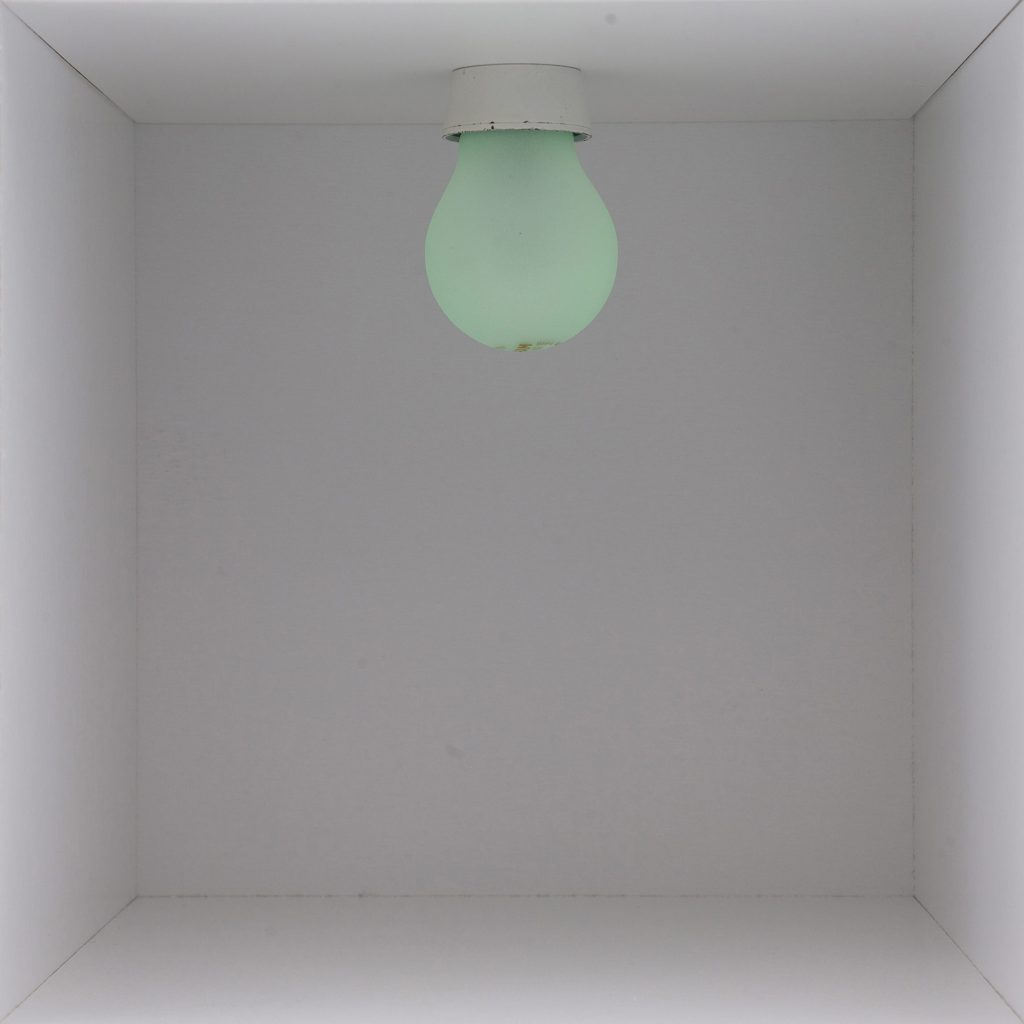
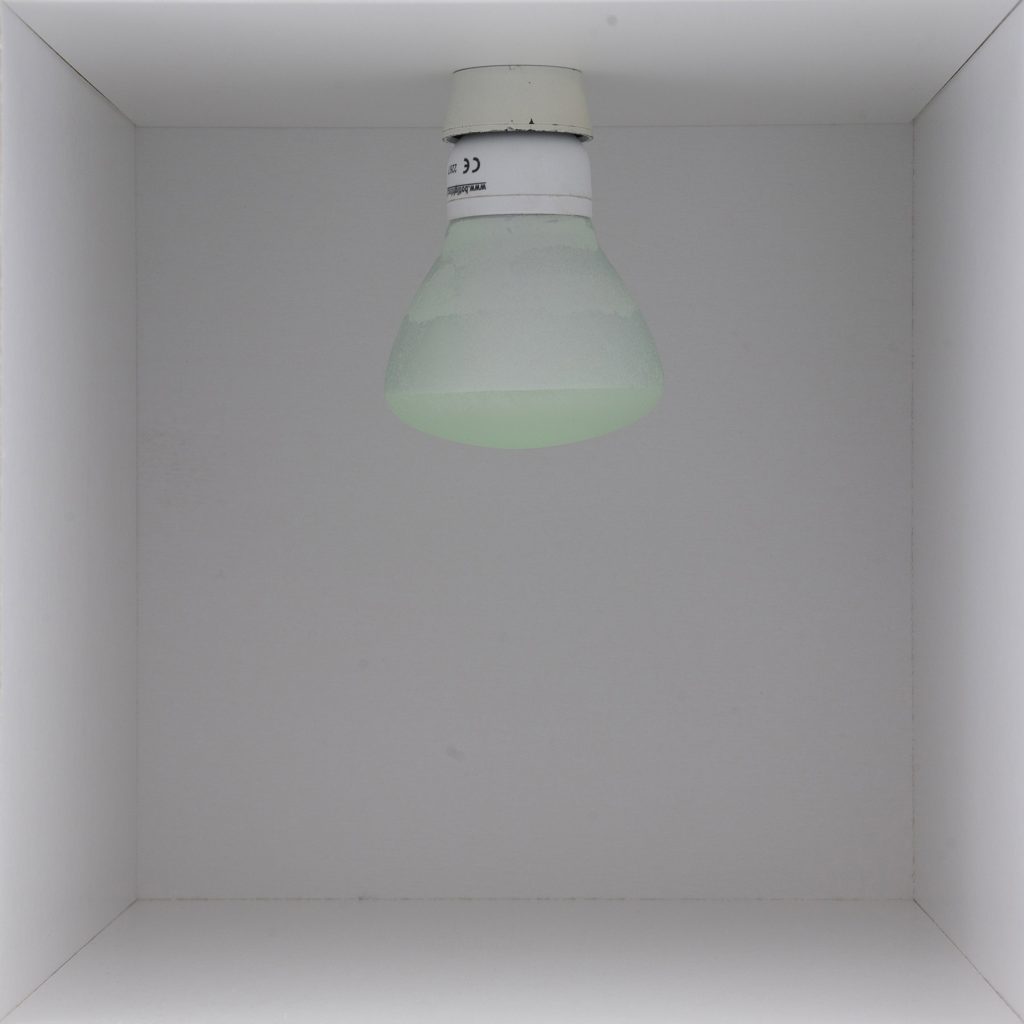
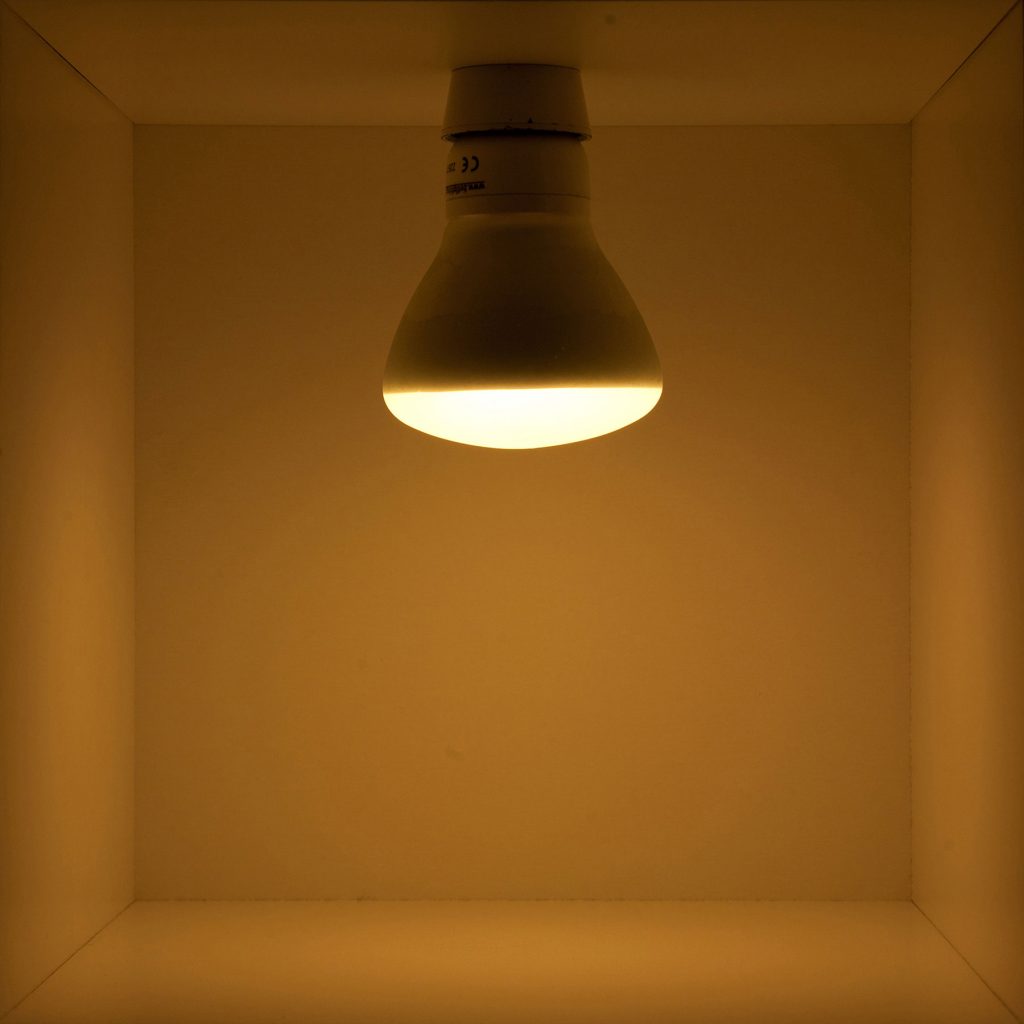
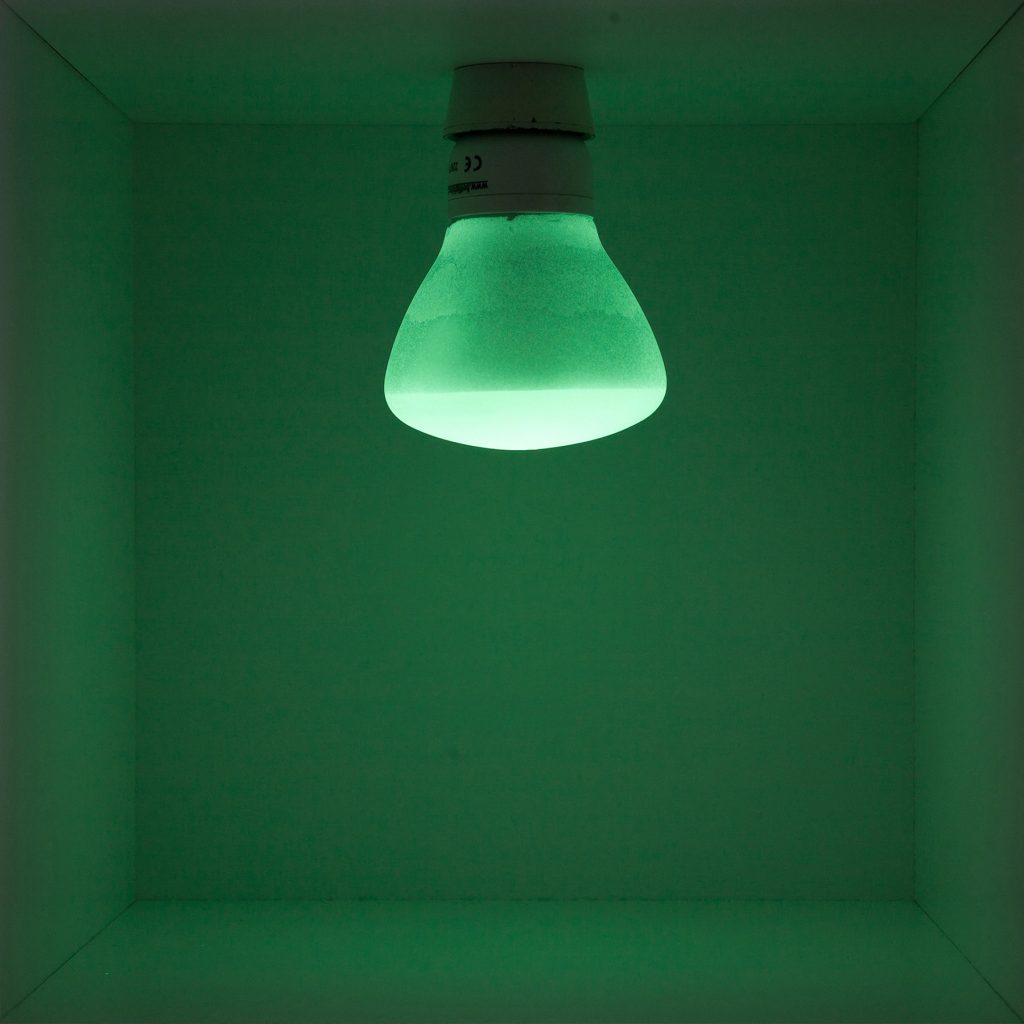
Sfogliando cataloghi di aerosol spray si possono fare delle scoperte interessanti, come questa: esistono vernici vaporizzabili fosforescenti. Alla luce i fosfori di cui è composto il pigmento si caricano di radiazioni luminose, che emettono in modo visibile in situazione di scarsa luminosità o di buio.
Se come attivatore si usa l’energia solare si avrà un ottimo rendimento quando poi sarà notte.Un qualsiasi segno (di un verde mela chiaro che è il colore nativo del fosforo) sarà quasi invisibile alla luce del giorno mentre la notte emergerà su tutti gli altri colori opachi. Ma è anche interessante il colloquio fra A e B:
A: “Cosa carica i fosfori?”
B: “La luce!”
A: “Quando c’è luce?”
B: “Di giorno prevalentemente, ma anche di notte”
A: “Di notte?!”
B: “Beh quella artificiale, quella solare è invisibile”
A: “Già… anche la luce artificiale può caricare i fosfori!”
A: “Certamente”
B: “E come faccio perché il caricamento sia più efficiente possibile?”
A: “Sei tu il progettista…”
B: “mmm… ho visto un’interessante vernice fosforescente spray…”
A: “Ah…”
B: “ …se la spruzzo su di un supporto vicino alla fonte luminosa…una distanza minore credo faciliti il caricamento…”
A: “Probabile…”
B: “…ma allora…”
A: “Allora cosa?”
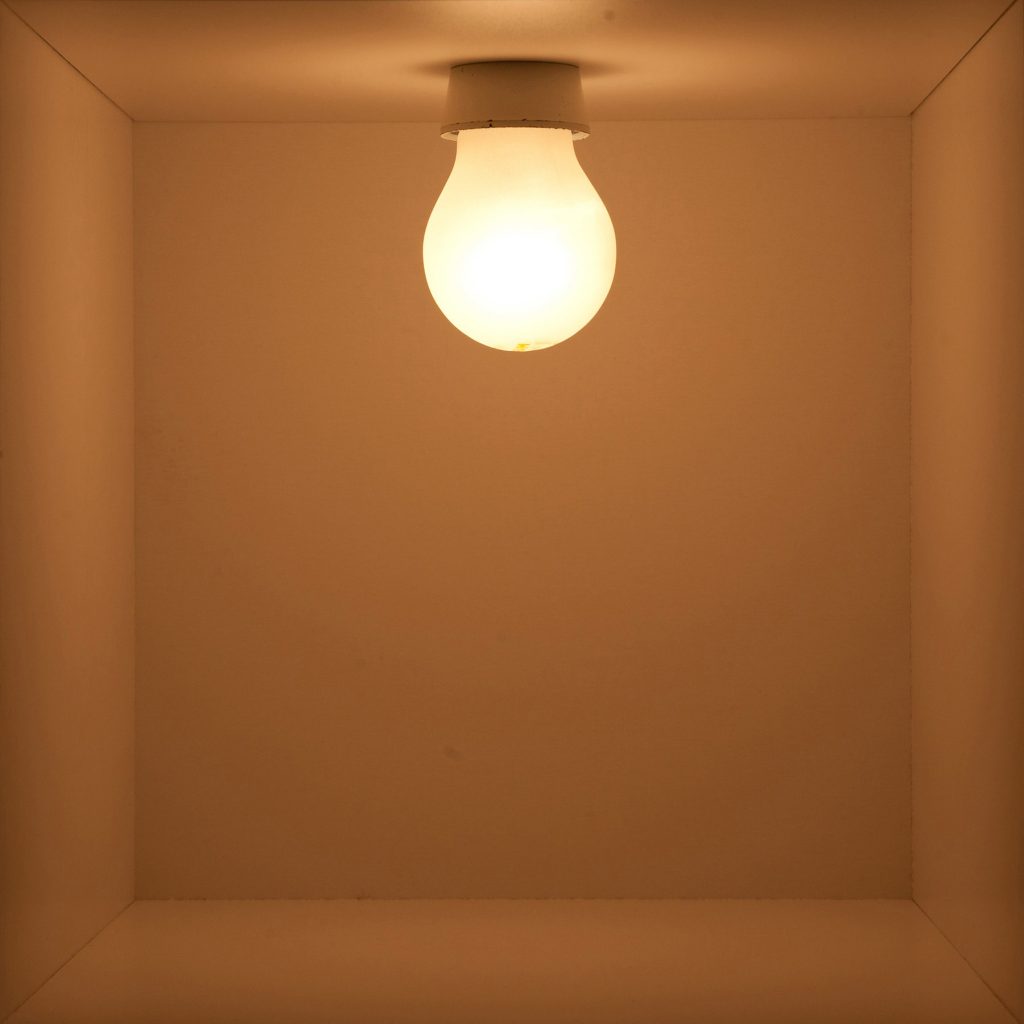
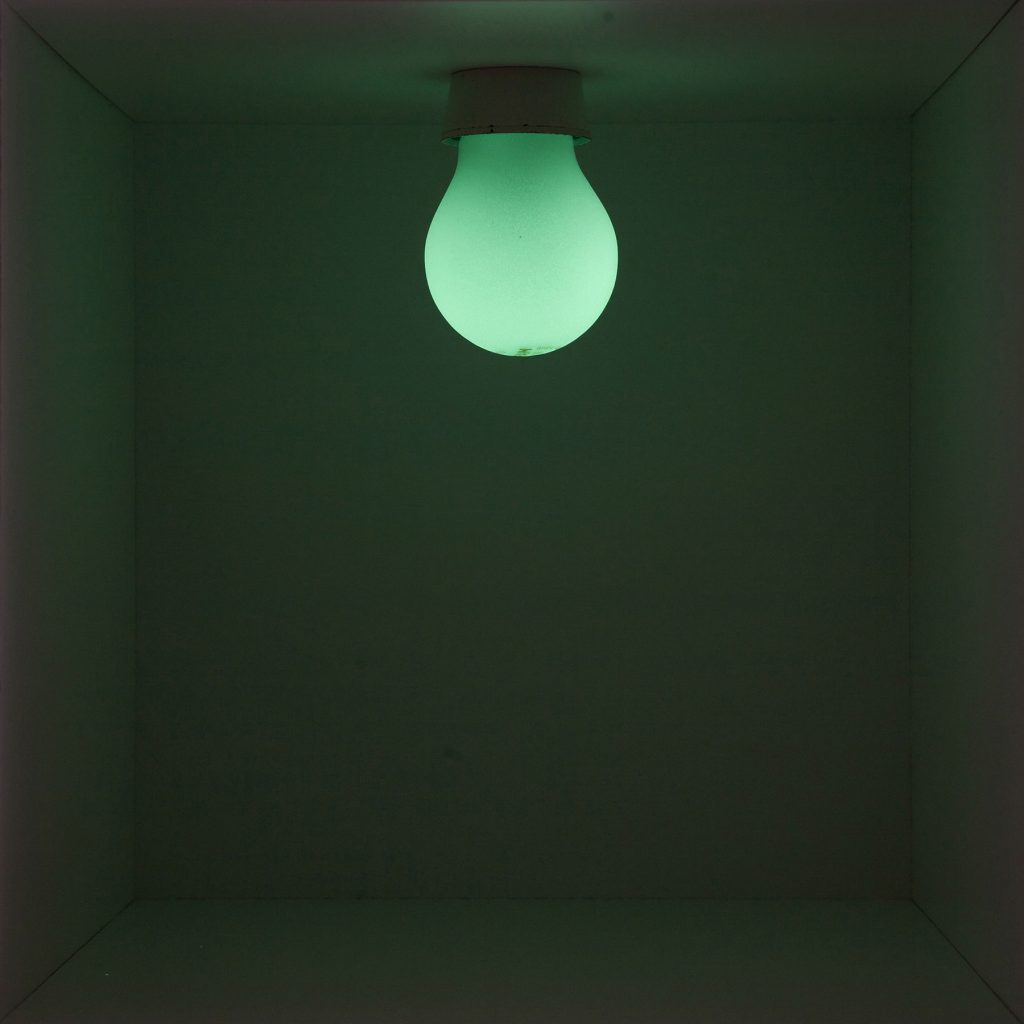
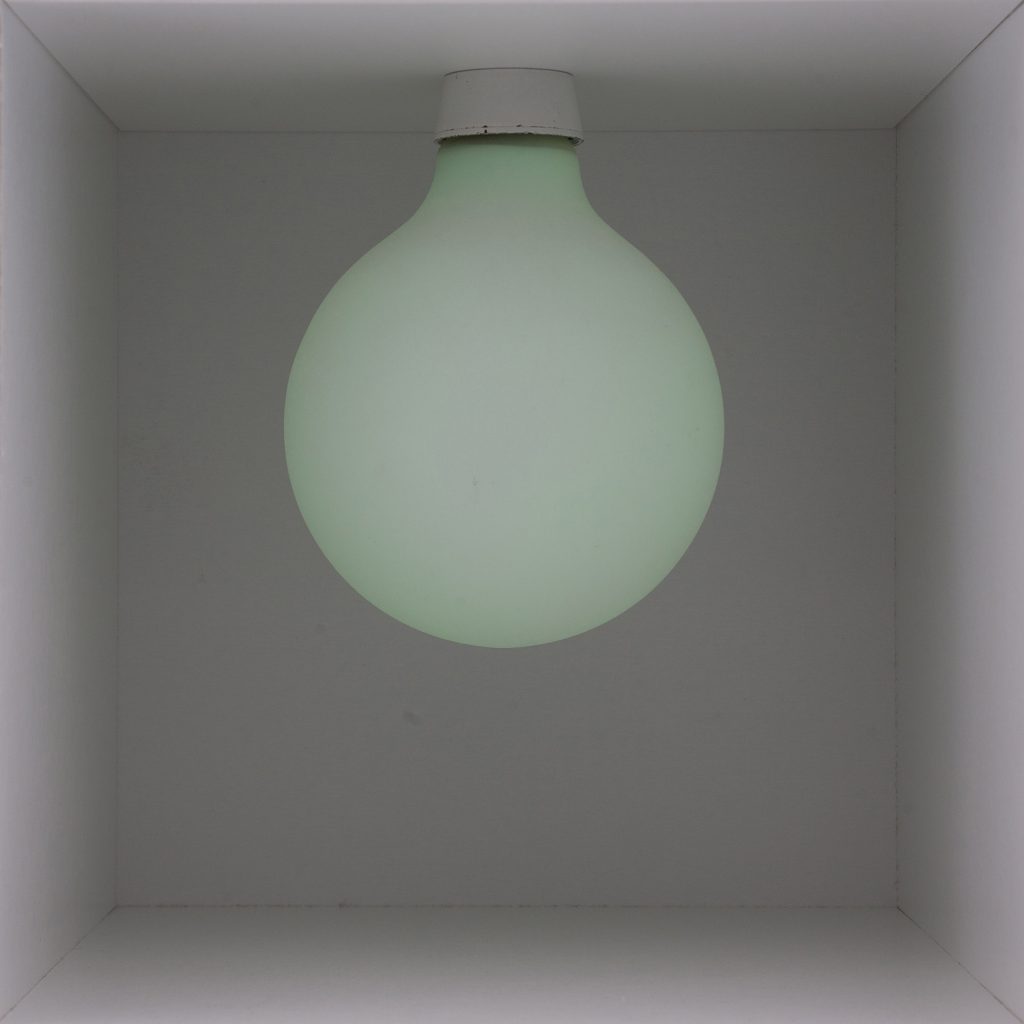
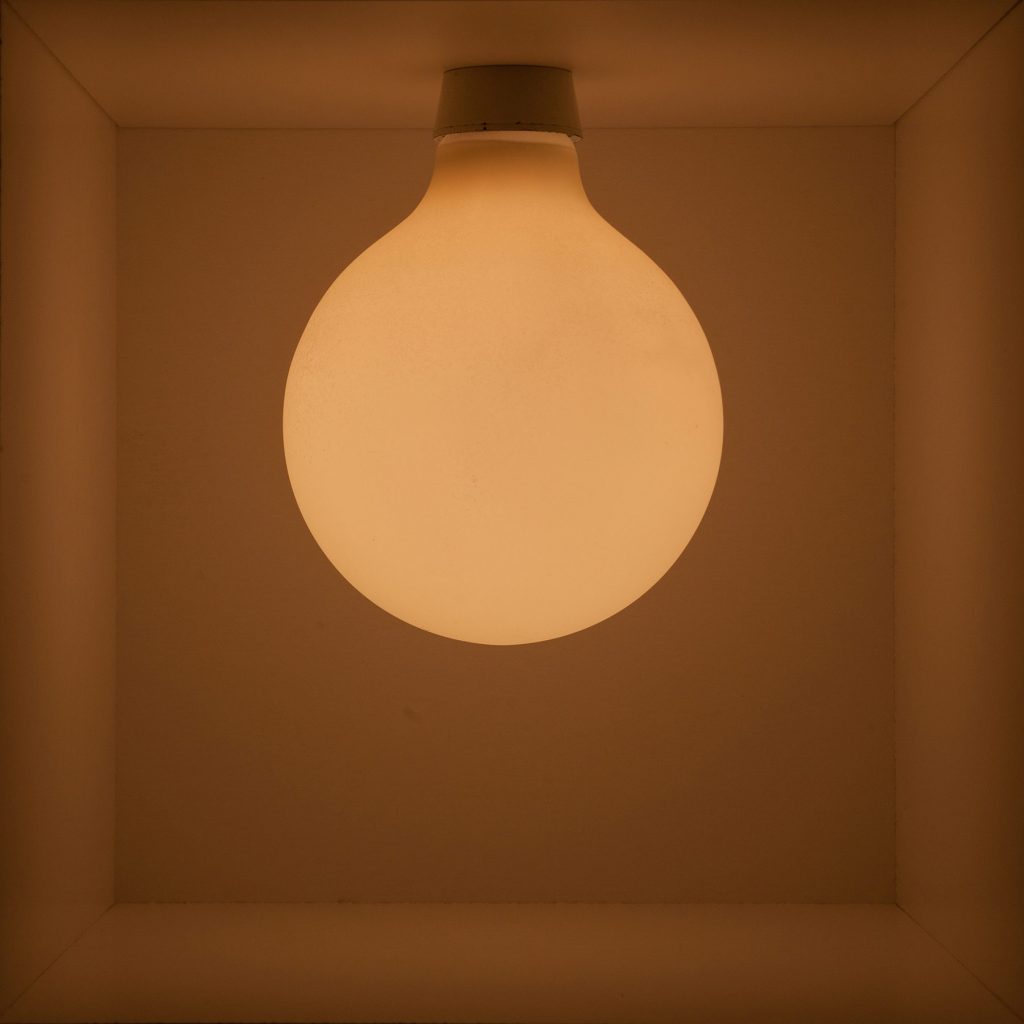
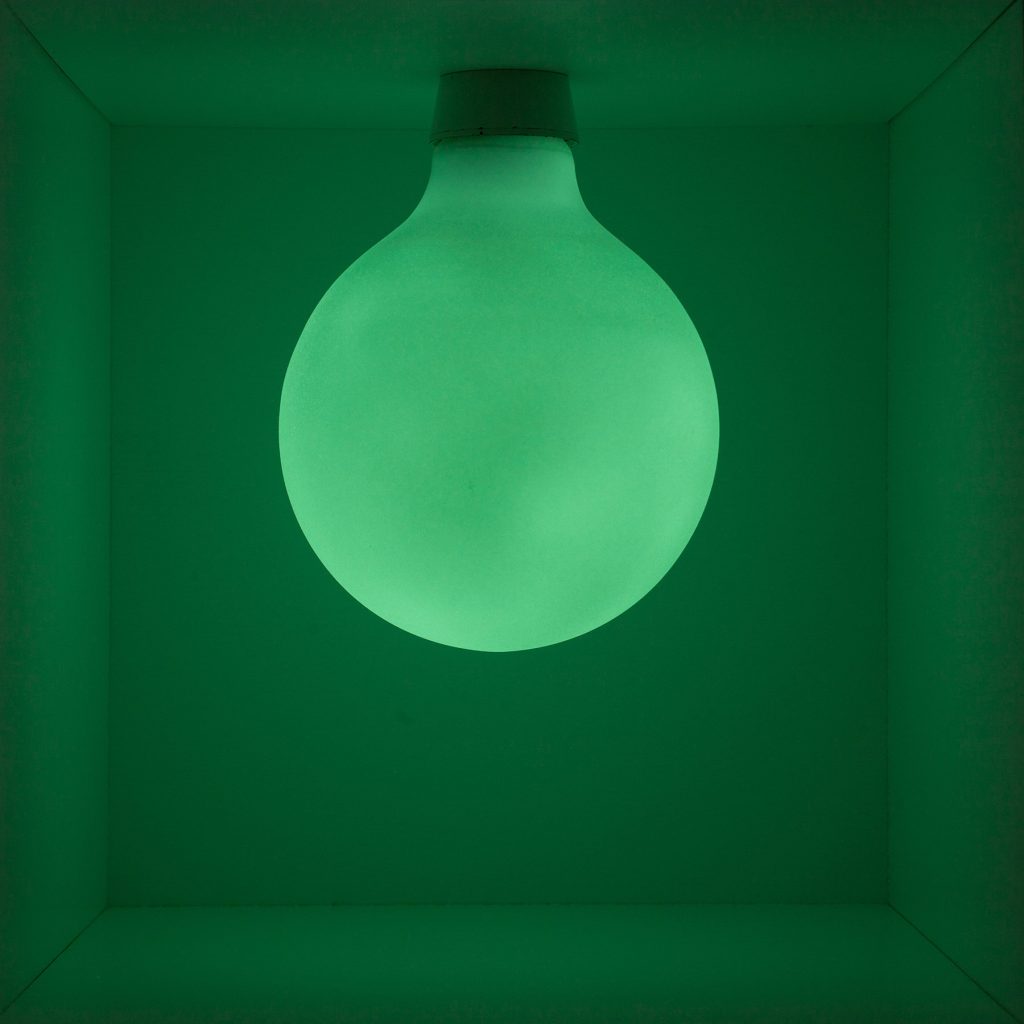
B: “Perché non verniciare direttamente la fonte luminosa?!”Credo che in sintesi sia stato questo, anche se inconsciamente, il percorso fatto per arrivare al tema della ricerca sulla fosforescenza: una tecnologia a me nuova – le vernici spray ai fosfori – e l’interazione di queste con la luce. Applicando direttamente tali vernici alle sorgenti luminose si crea un oggetto che sembra paradossale: una lampadina che da spenta rimane accesa! Questo è per effetto dei fosfori che sono stati sensibilizzati nel periodo in cui la sorgente luminosa era attiva.
Appena cessa la radiazione luminosa, e nella stanza si fa buio, diventa chiaramente visibile l’effetto della fosforescenza che “accende” la lampadina e crea un chiarore che progressivamente sfuma.Il tempo di latenza di questo chiarore verdastro è il principale tema di ricerca, in una direzione che interessa tanto gli aspetti ottici che quelli ecologici, come suggeriscono ancora A e B:
A: (uscendo da una stanza spegne la luce) “Ah! Ho dimenticato gli occhiali”
B: “Non riaccendere la luce”
A: “Gia! E come faccio a trovarli?”
A: (sulla soglia della stanza) “Ma ci si vede ancora bene qui dentro! Eppure la luce è spenta!”
B: “EUREKA!” -
While leafing through aerosol spray catalogues you can make some really interesting discoveries, like this one: there exist vaporised phosporent varnishes. Exposed to light the phosporous elements from which the pigment is composed are charged with luminous radiations, which are emitted in situations or scarse light or darkness.
If solar energy is used as an activator there will be much better results at night. Any sign(of a clear apple-green, which is the natural colour of phosphorous) will be almost invisible during daylight while at night other opaque colours will emerge. The following conversation between A and B is also interesting:
A: how is phosporous charged?
B: by light
A: where is the light?
B: found mainly by day but sometimes at night
A: by night?
B: you know artificial light, solar light is invisible then.
A: so, artificial light can also charge phosporous?
A: of course
B: and what do I do to guarantee the most efficient charging possible?
A: are you the designer?
B: well, I have seen an interesting varnish phosphorent spray
A: ah
B: if you spray it on a support near the luminous source a short distance will facilitate the charging
A: this is probable
B: and then?
A: what do mean then?
B: why not directly varnish the luminous source?I think that this is an accurate summary, be it unconsciously, of the method used to come to the theme of research on phosphorence, a technology which is new to me, varnish sprays and phosphores, and their interaction with light. This is the effect of phosphores which have been sensitized during the period of luminous activity.
As soon as the luminous radiation ceases, and the room becomes dark, the effect of the phosphores becomes immediately apparent, it lights up the lamp and then creates a glimmer of light which progressively fades. The latency time of this greenish glimmer is the main subject of this research, one in which optical and ecological elements are of equal interest, something which is exemplified in the following dialogue:
A: (leaves a room and switches off the light) “Oh, I’ve left my glasses behind”
B: “don’t turn the lights”
A: Haw am I supposed to then find them”
A: (standing in the door-step) “I can see what is inside the room although the lights are off!”
B: “EUREKA!”
| Anno | 2010 |
| Tipo | ricerca |
| Tiratura | 9 pz |
| Materiali | vernici fluorescenti |
